

Steel for Interior Doors
PCM, VCM and PET Laminated Steel for Interior Door Skins, Honeycomb Panels and Decorative Door Faces
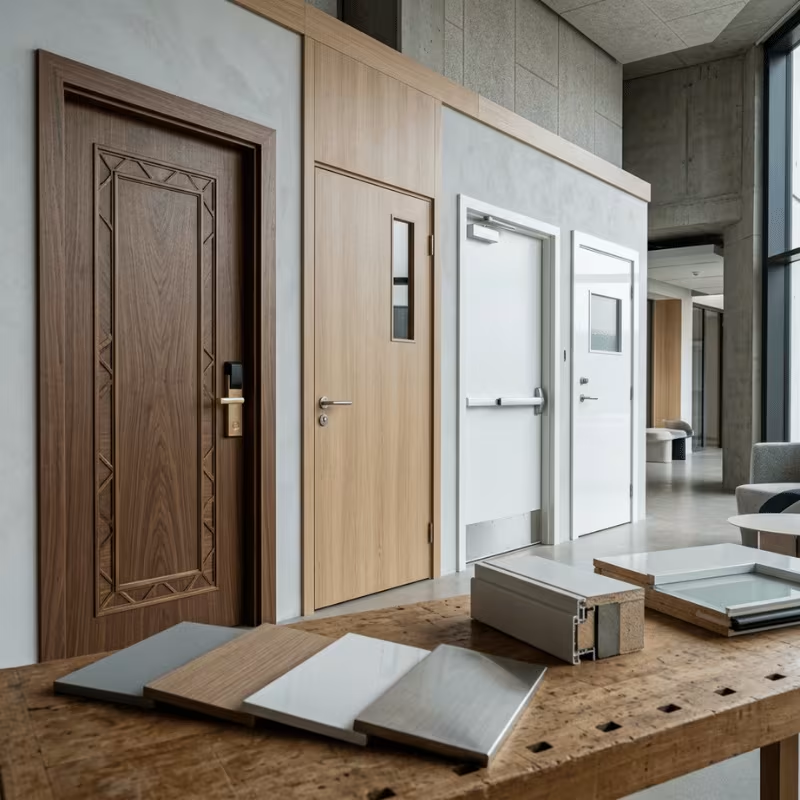
Everesteel supplies PCM steel, VCM laminated steel, PET laminated steel, and decorative finished steel for interior door skins, honeycomb door panels, decorative visible faces, and commercial and residential interior doors. You buy direct from our coating lines in Jiangyin, China — with custom colors, sample matching, in-house processing, and export packaging built into the supply.
- PCM steel for solid-color painted interior door skins and cost-controlled panels
- VCM and PET laminated steel for decorative, wood-grain, and premium visible door faces
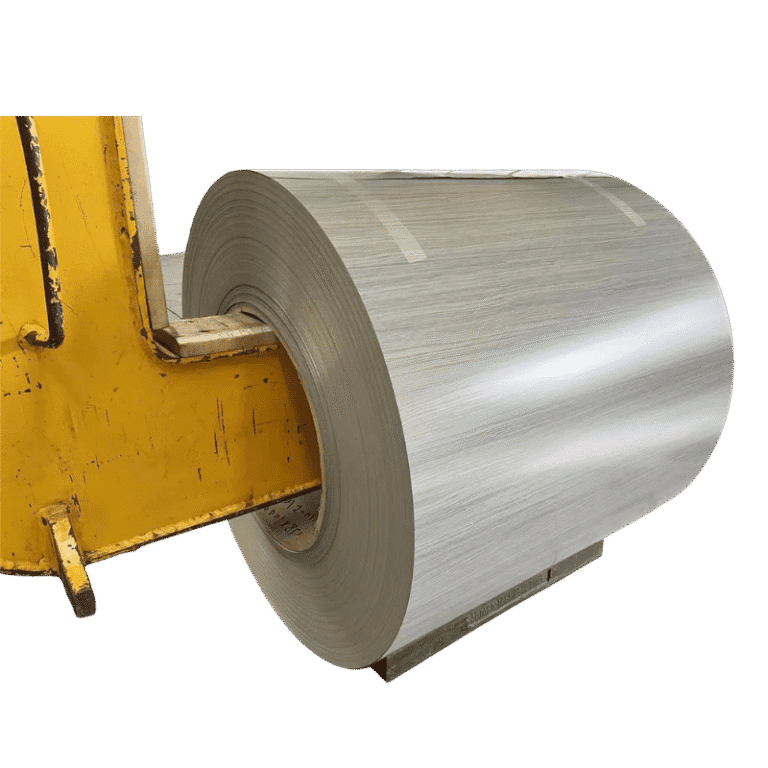
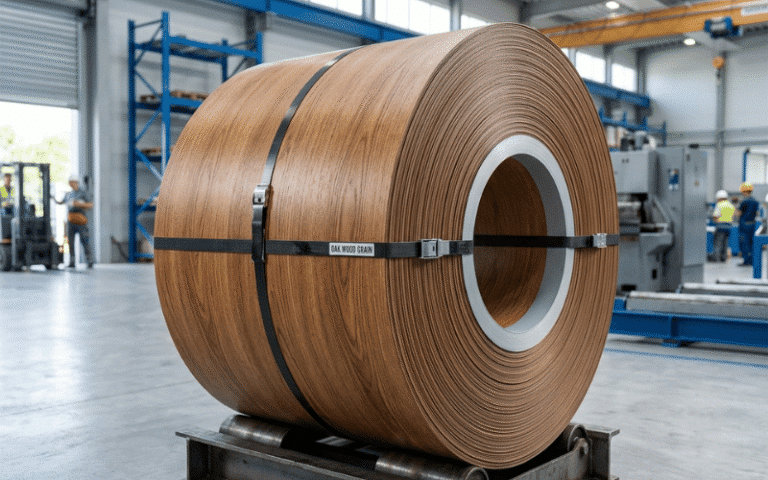
- Wood grain, hairline, matte, and metallic finish options for interior door surfaces
- Door skins suitable for honeycomb core panel assembly and adhesive bonding
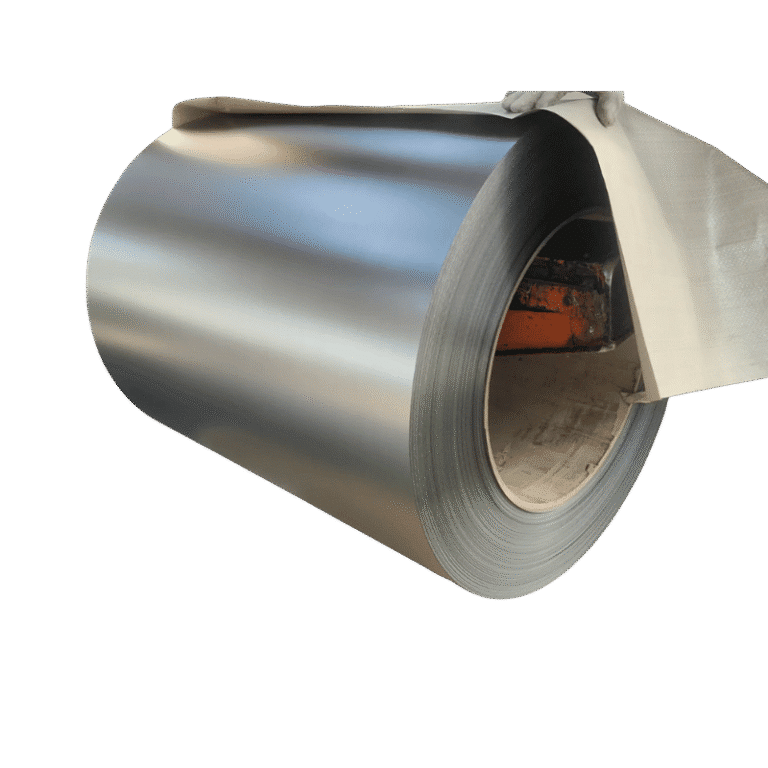
- Coil, slit coil, and cut-to-length sheet supply for interior door production lines
Own Factory. Own Coating Lines. Direct Manufacturing Supply.
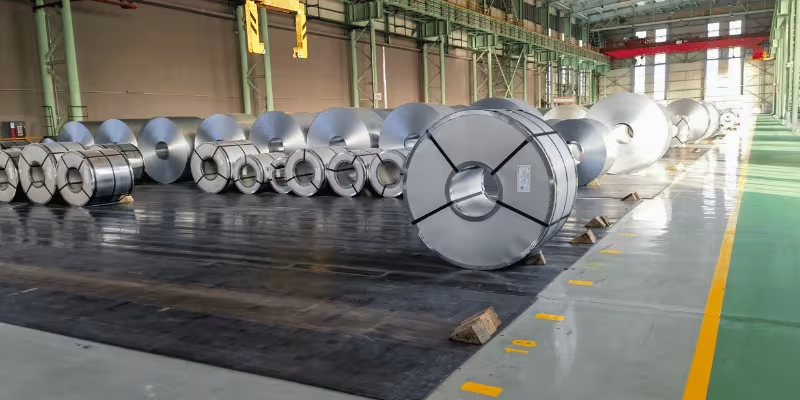
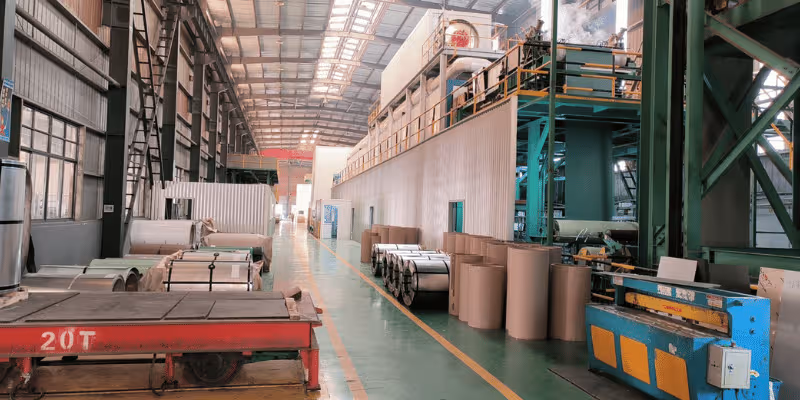
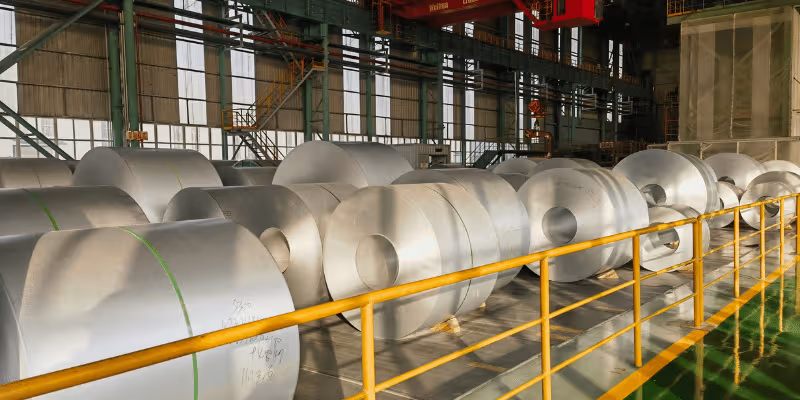
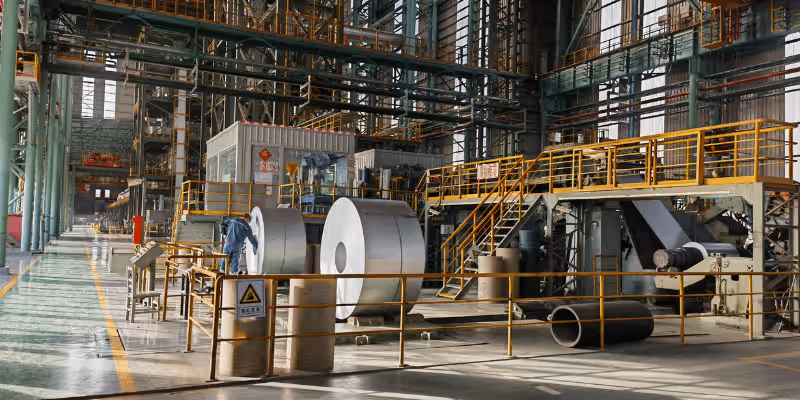
Everesteel is a vertically integrated prepainted steel manufacturer based in Jiangyin, Jiangsu — one of China’s major steel processing hubs. Every coil of interior door steel that leaves our facility is produced, coated, processed, and packaged in-house, on our own lines, under our own quality system, with 26,000+ tons of annual production capacity supplying buyers in 65+ countries.
You buy direct from the manufacturer, not through a trading intermediary. That means tighter specification control, more consistent batch quality, shorter communication paths, and pricing aligned more closely with actual production conditions.
When you place an order with Everesteel, you deal directly with the team responsible for production and delivery.
Contact Us Now
Enter your inquiry details, We will reply you in 6 hours.
26,000+
tons annual production capacity
6,800+
global buyers served
65+
countries supplied worldwide
98.7%
on-time delivery rate
Why Material Selection Matters for Interior Doors
Not every interior door has the same job. A decorative hotel room door carries different appearance demands than a plain office door or a moisture-exposed bathroom door. Choosing one material for every door usually means overpaying on hidden or plain faces or underspecifying on the visible surfaces that people see and touch every day.
That is why experienced interior door manufacturers match the steel to the door and the space before they order. Before you select, it helps to weigh five factors:
- Door type — solid-core, honeycomb/hollow-core, decorative face, fire-rated, or moisture-resistant door
- Surface finish — solid color, wood grain, high gloss, matte, or hairline brushed
- Forming method — panel bending, edge folding, stamping, or flat sheet lamination
- Scratch and humidity resistance — daily handling, cleaning, and moisture in kitchens and bathrooms
- Cost target — premium decorative visible face vs. economical solid-color door skin
Get these right, and you match the steel to how each face is actually formed, seen, and cleaned — no visible waviness on flat faces, no scratched skins, and no wasted spend on plain door areas.
Recommended Steel Materials by Interior Door Type
Use this table to match PCM, laminated steel, wood-grain steel, and hairline-finish steel to the correct interior door before you request a quote.
| Interior Door Type | Recommended Material | Why It Is Used |
|---|---|---|
| Solid-Core Steel Doors | PCM steel / VCM laminated steel | Stable painted or decorative faces with reliable forming for a solid, quality feel |
| Honeycomb / Hollow-Core Doors | PCM steel / VCM laminated steel | Lightweight skins with back coats matched to honeycomb core adhesive bonding |
| Decorative Visible Faces | VCM / PET laminated steel / wood grain steel | Wood-grain, metallic, and premium finishes for appearance-critical door faces |
| Fire-Rated Interior Doors | PCM steel / prepainted steel | Durable painted skins over fire-rated cores, with stable color and good forming |
| Bathroom / Moisture-Resistant Doors | PET laminated steel / PCM steel | Smooth, wipe-clean, humidity-resistant faces for kitchens and bathrooms |
| General-Purpose Door Skins | PCM steel | Cost-effective solid-color skins where a decorative film is not required |
Not sure which fits your project?
Send your door type and target finish, and our team will recommend a structure before providing a quote.
PCM vs VCM/Laminated Steel for Interior Doors
Choosing between PCM and VCM/laminated steel is one of the most common sourcing decisions for interior door buyers. Both are pre-finished steel products, so the difference comes down to the surface system on top of the substrate.
| Factor | PCM Steel | VCM / Laminated Steel |
|---|---|---|
| Surface system | Baked paint coating on steel | PVC or PET film laminated onto steel |
| Appearance | Stable, uniform solid color | Rich decorative depth, wood grain, metallic effects |
| Best use | Solid-color skins, general and fire-rated doors | Decorative and premium visible door faces |
| Surface options | Solid color, matte, gloss, smooth painted | Wood grain, hairline, metallic, matte, high gloss, custom film |
| Cleanability | Good, matched to the topcoat | Very smooth, low-porosity, easy wipe-down |
| Cost level | More economical | Higher |
Quick selection guide:
- Choose PCM steel when you need a clean, consistent solid-color door skin at a lower cost.
- Choose VCM/laminated steel when the door face is visible and the finish is part of the design.
- Choose wood grain steel when a residential or hospitality door needs a warm timber look without maintenance.
- Choose PET laminated steel when you want a premium, harder surface with strong scratch and moisture resistance for high-use or wet-area doors.
Surface Finish Options for Interior Doors
Interior doors can be specified in different surface styles depending on the door design and target space. Each finish can be matched to your sample or reference before production begins.

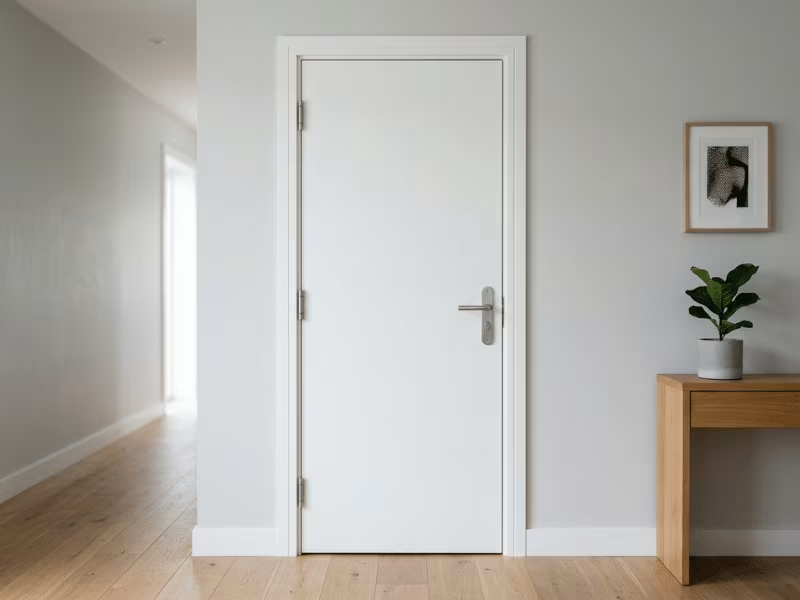
Solid Color / White
A clean, uniform painted surface in white or standard RAL colors. Solid white is the practical default for residential and office interior doors where even color and cost control matter most across large flat faces.
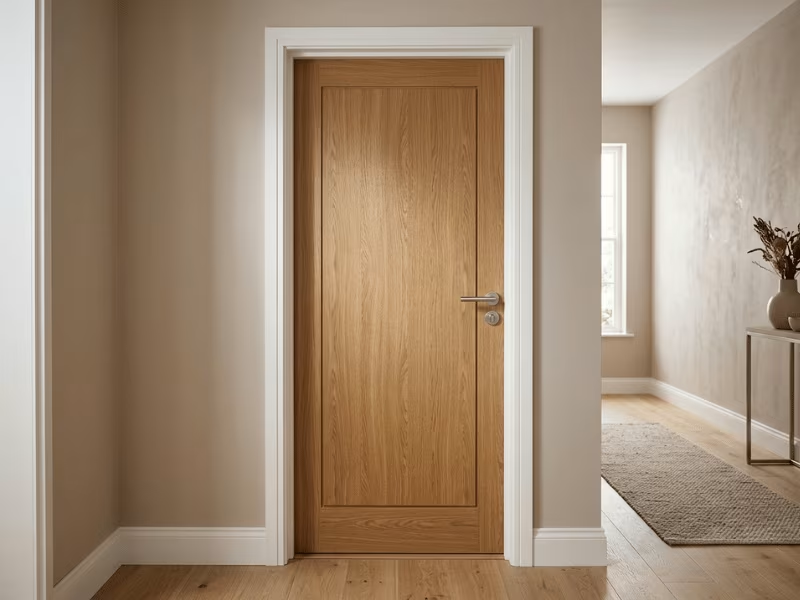
Wood Grain
A printed or laminated finish that reproduces realistic wood tones and texture. Wood grain steel is a favorite for residential and hospitality doors that want a warm timber look without the fading, swelling, or upkeep of real wood.
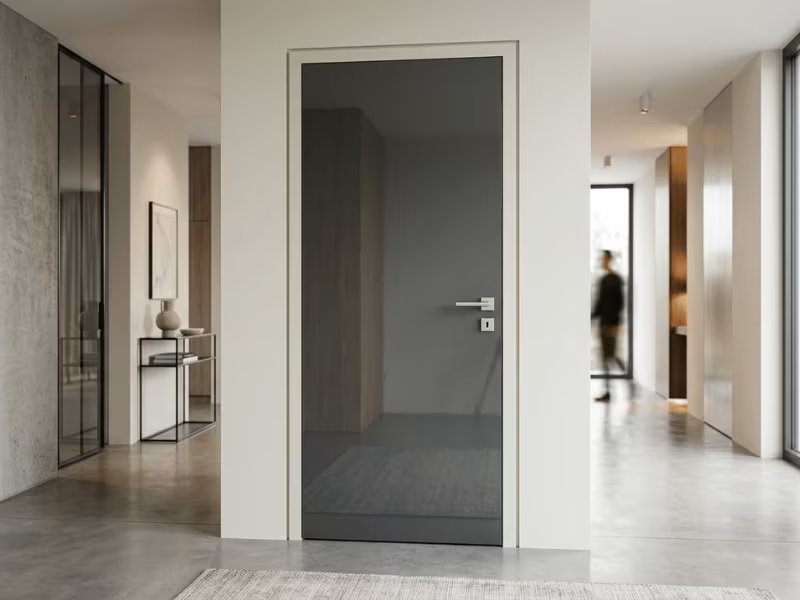
High Gloss Finish
A brighter, more reflective finish for doors where visual sharpness and clean color presentation matter. High gloss suits premium visible faces and light-enhancing interiors, though flat faces need tight flatness control to look their best.
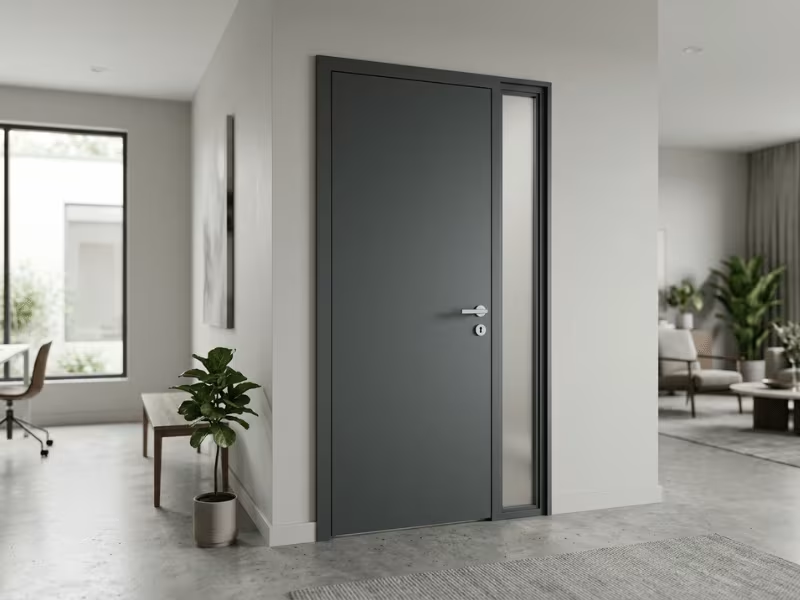
Matte Finish
A low-reflection surface suited to modern interior designs. Matte finishes reduce glare, soften light surface marks, and give a cleaner, more contemporary look across large door faces in homes and offices.
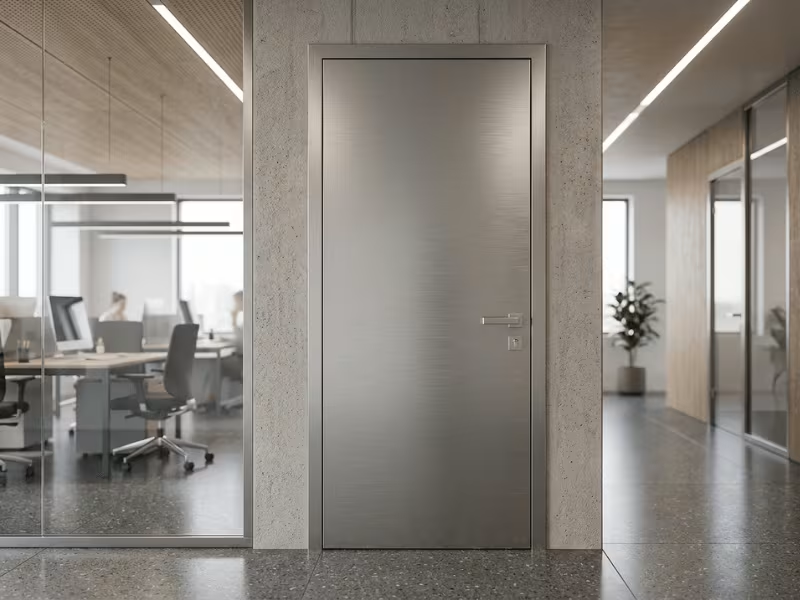
Hairline / Brushed
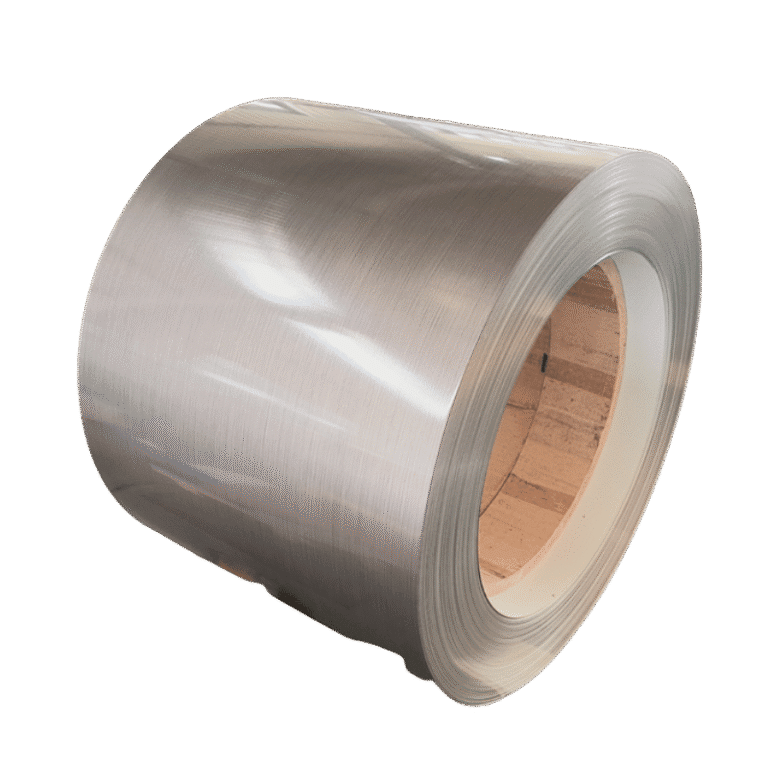
A directional finish that gives interior doors a refined brushed-metal look similar to brushed stainless steel. Hairline steel is popular for modern office, commercial, and premium residential doors where an upscale metal appearance is required.
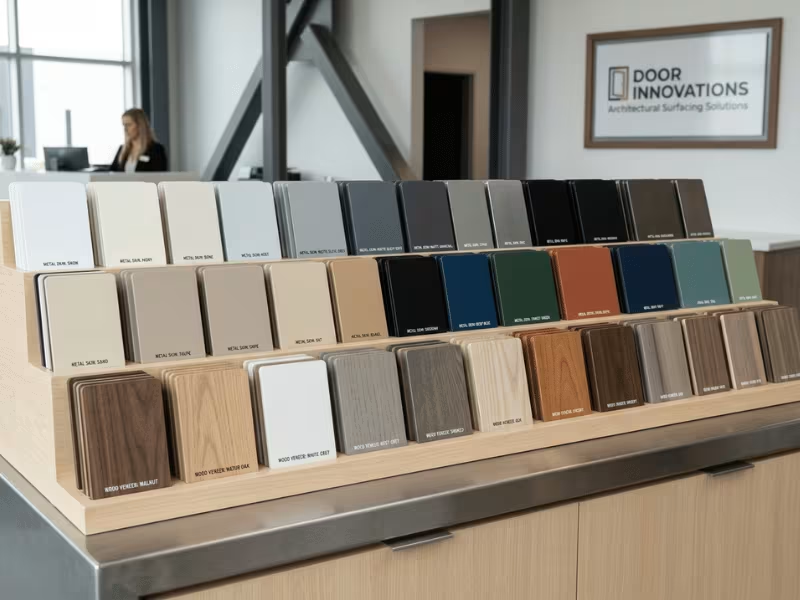
Custom Colors
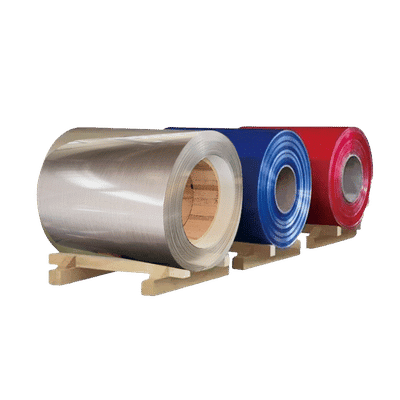
White, grey, black, wood tones, and custom-matched colors can be supplied according to your physical sample, RAL reference, or target door design. We provide a sample for approval before mass production to help maintain batch consistency across adjacent door faces.
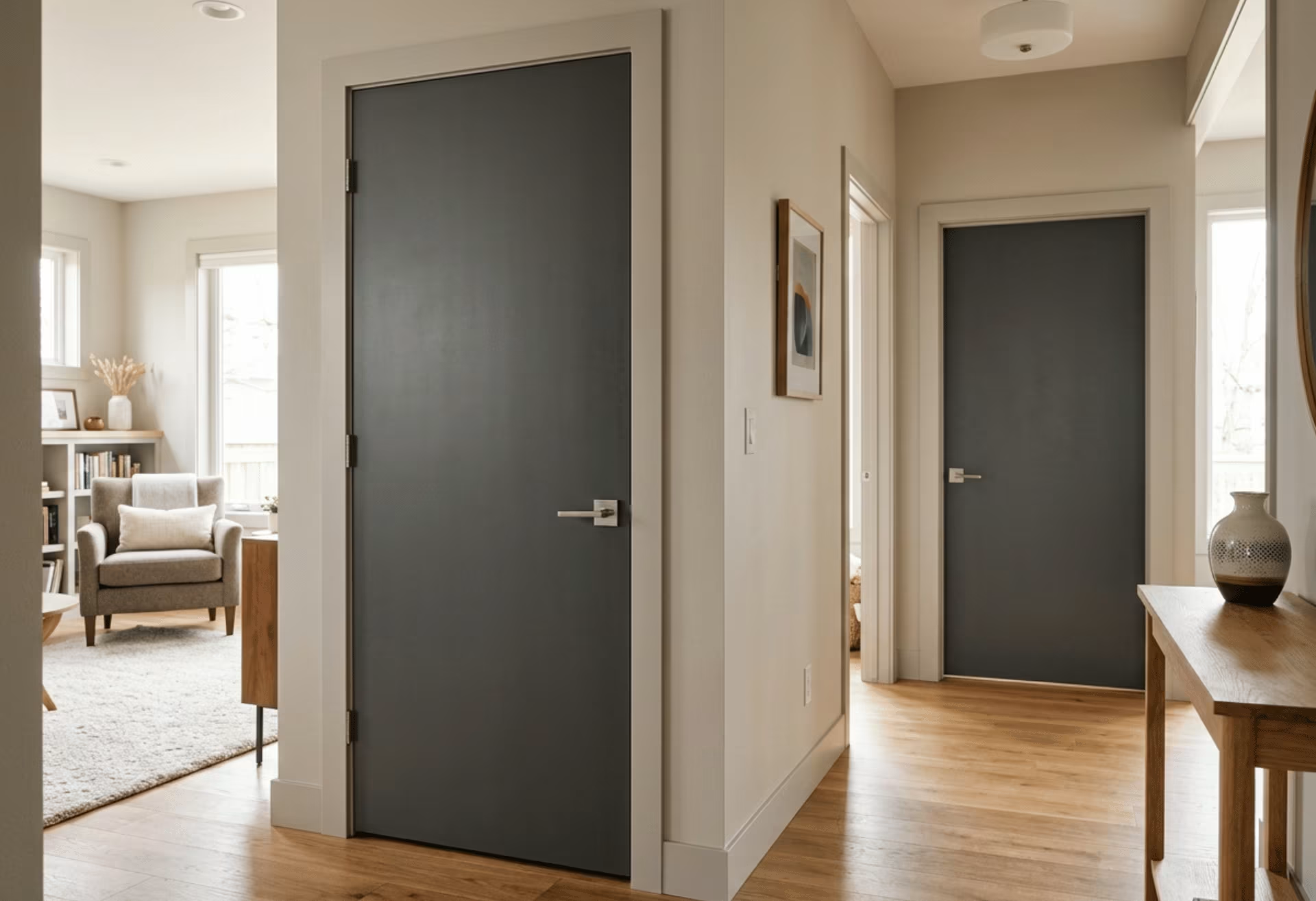
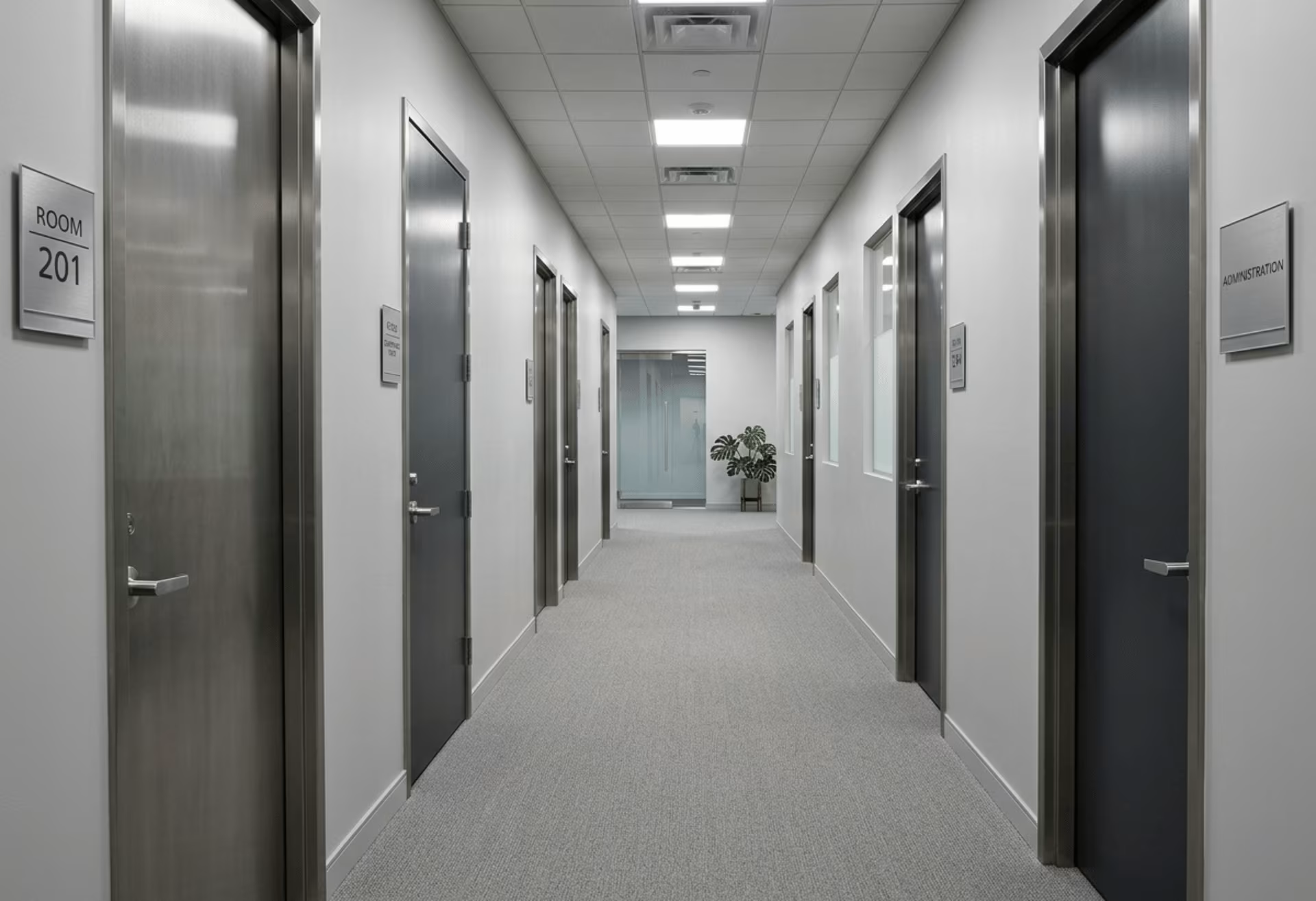
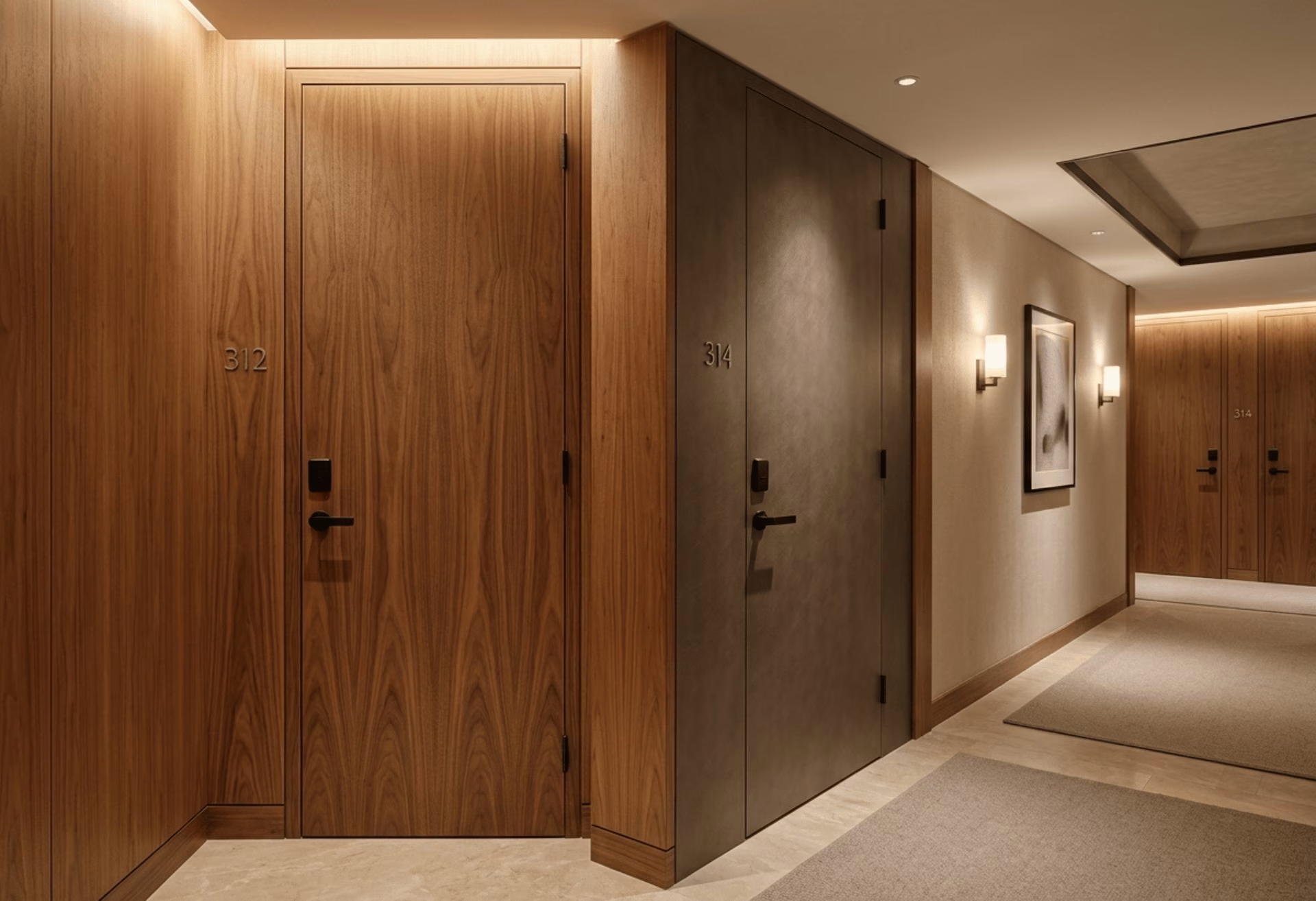
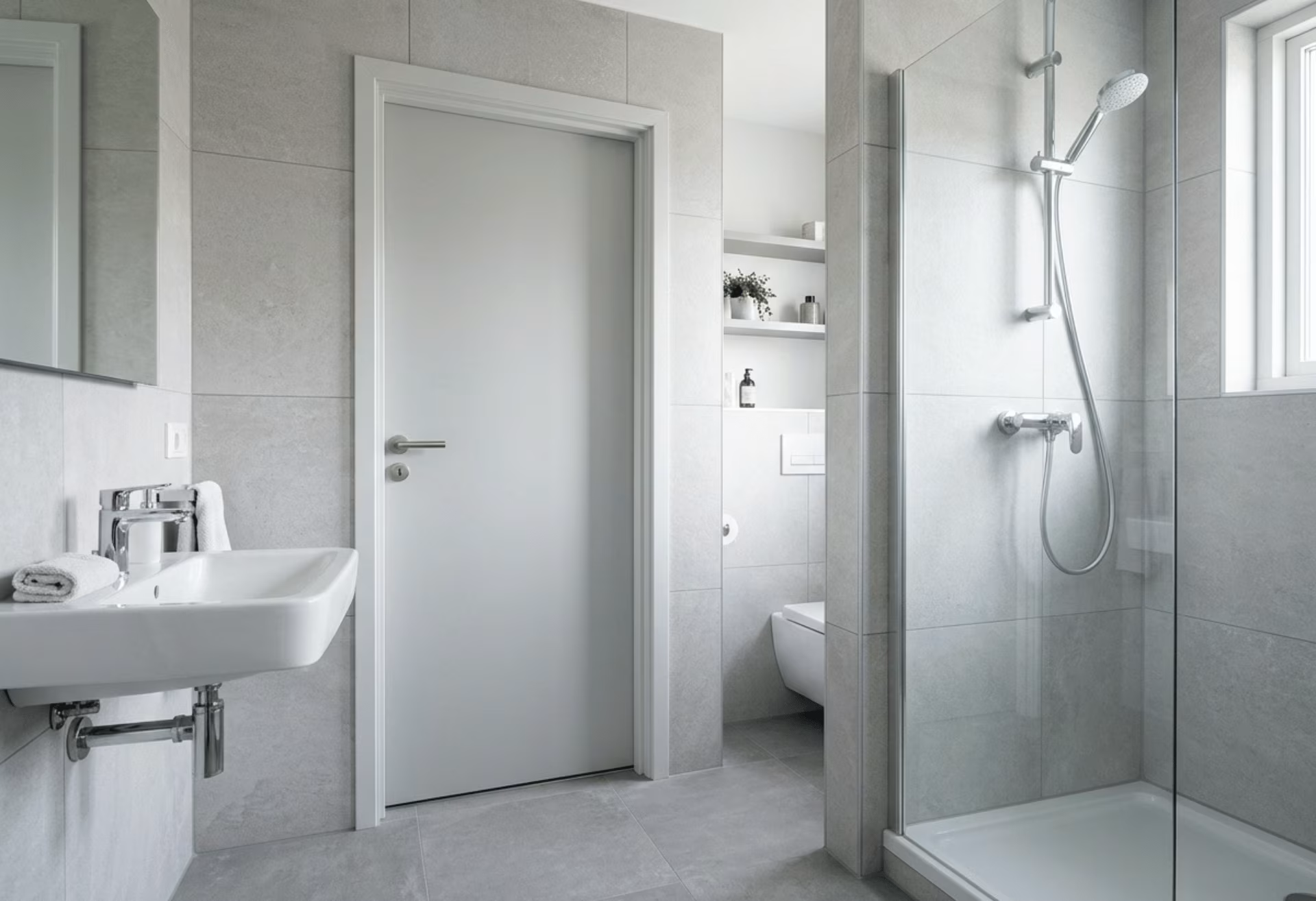
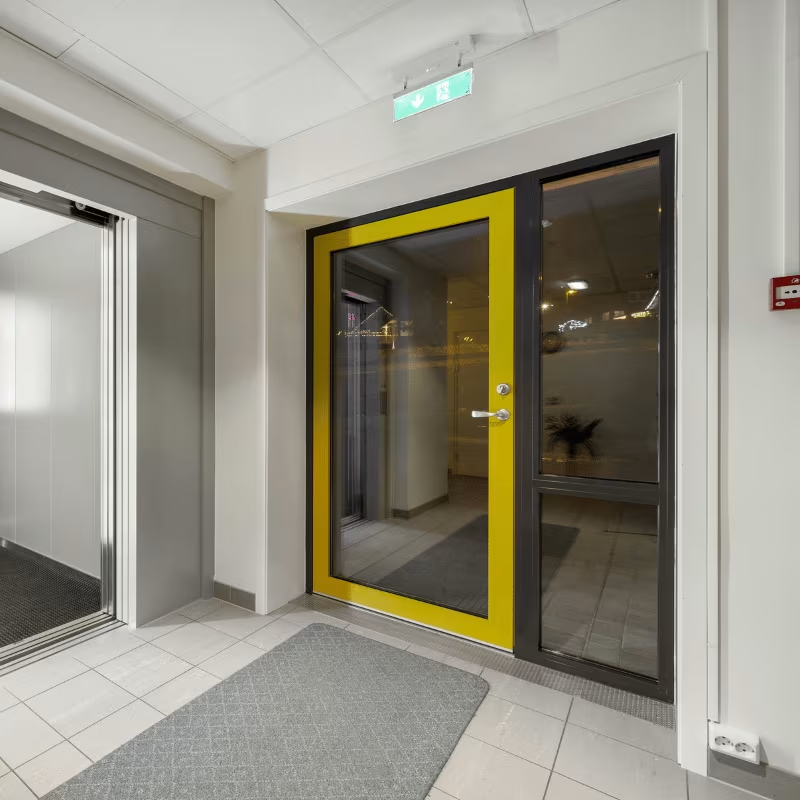
Typical Interior Door Applications
Processing Capabilities for Interior Door Production
All coating is carried out in-house at our Jiangyin facility, so your material can arrive in the format your interior door line actually needs — not just as a master coil.
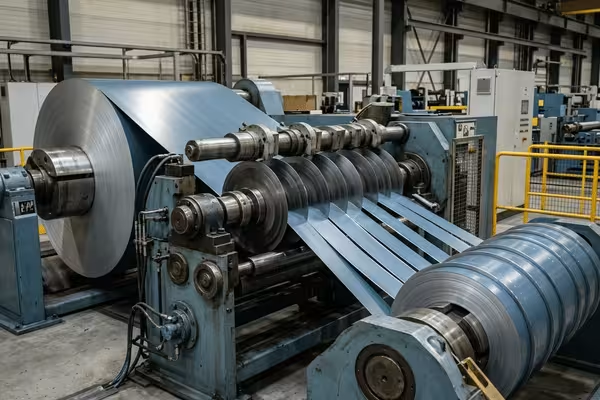
Slitting
Master coils are precision-slit to the width your door panel line requires, with clean edges, controlled burr, and tight tolerance for stable feeding and consistent panel geometry.
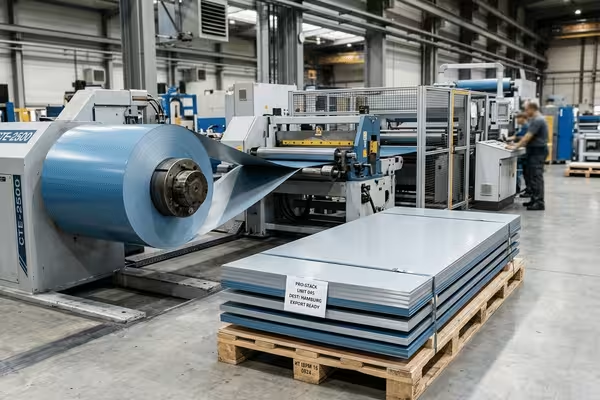
Cut-to-Length
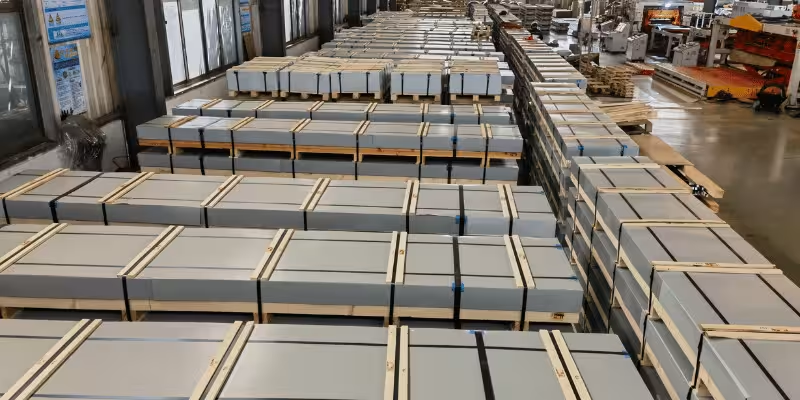
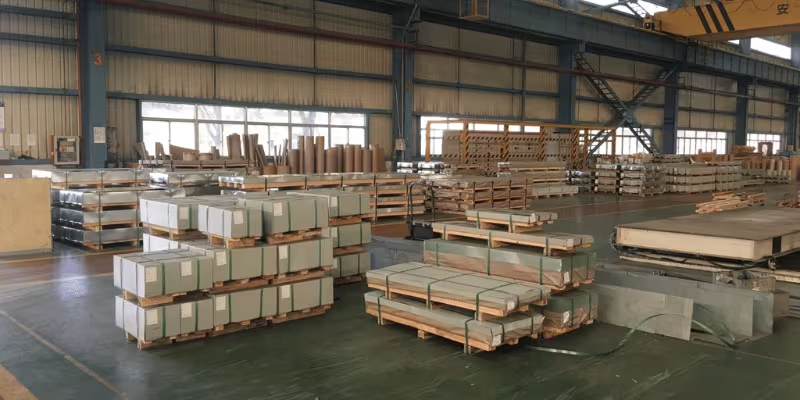
Material can be supplied as cut-to-length sheet for direct panel fabrication, stamping, or lamination — stacked, protected, and palletized for export.
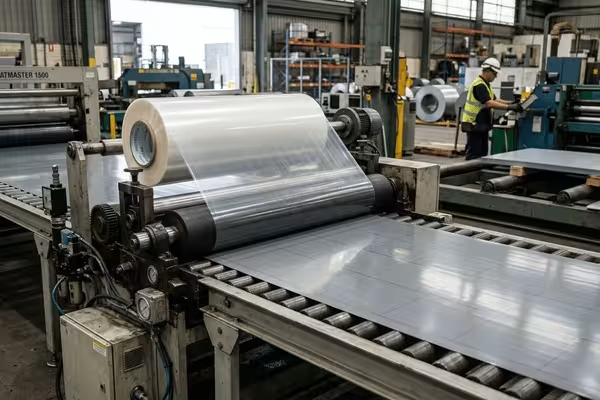
Protective Film
Protective film can be applied to safeguard visible door faces during transport, forming, and assembly. Specify film type at time of order.
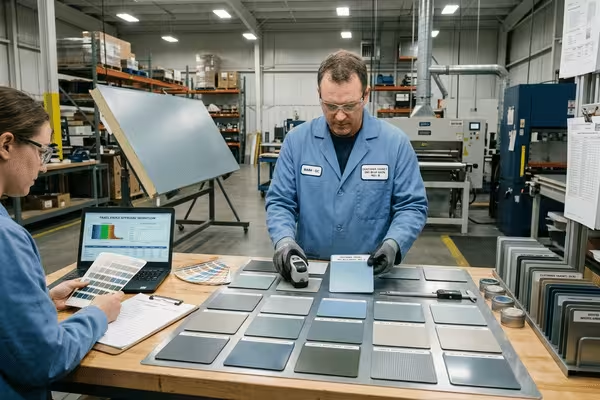
Sample Matching
We match color and surface finish to your sample, target finish, or reference standard, and provide an approval sample before bulk production to lock appearance across door faces.
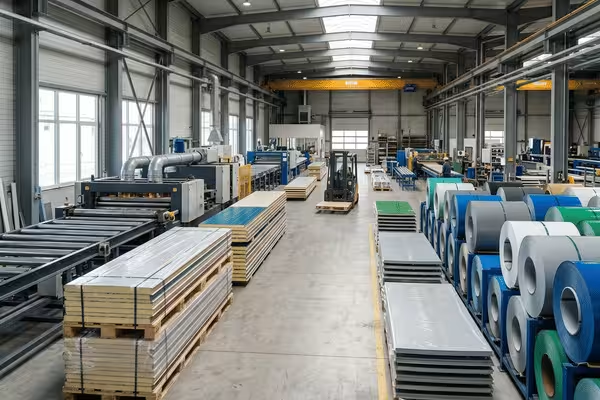
OEM Support
We support interior door manufacturers with custom colors, decorative film matching, honeycomb-bonding-compatible back coats, coil and sheet supply, protective film, export packaging, and repeat-order production.
Get Interior Door Specifications for Your Project
Tell us your door type, surface finish, thickness, width, and supply format. Our technical team will confirm feasibility and prepare a recommended material specification for your review.
Typical Specifications for Interior Door Steel
| Parameter | Typical Range |
|---|---|
| Base material | GI, EGI, cold-rolled steel |
| Product types | PCM steel, VCM/PET laminated steel, wood grain steel, hairline finish steel |
| Thickness | 0.30 mm – 0.80 mm |
| Width | 600 mm – 1,250 mm (slit widths available) |
| Surface options | Solid color, wood grain, high gloss, matte, hairline/brushed |
| Reverse side | General or honeycomb/adhesive-bonding-compatible back coat |
| Supply form | Master coil, slit coil, cut-to-length sheet |
| Color | White, grey, black, wood tones, RAL colors, or approved sample |
| MOQ | Depends on specification and finish |
| OEM support | Yes |
| Protective film | Available on request |
- Specifications are indicative and will be confirmed during the technical review at the time of order.
Quality Control and Certifications
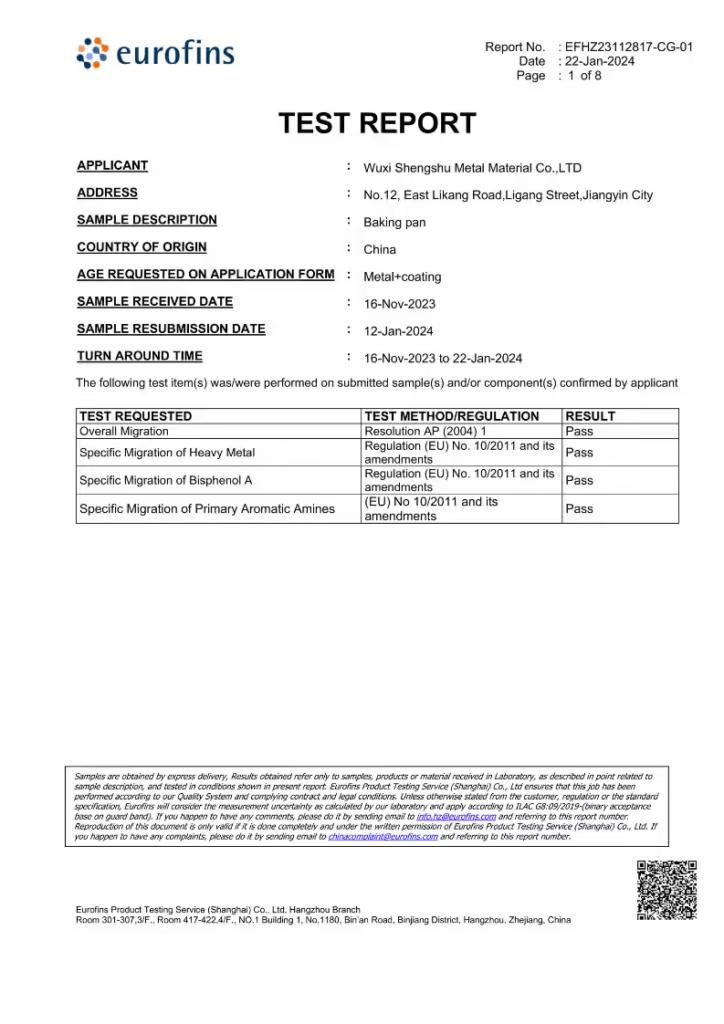
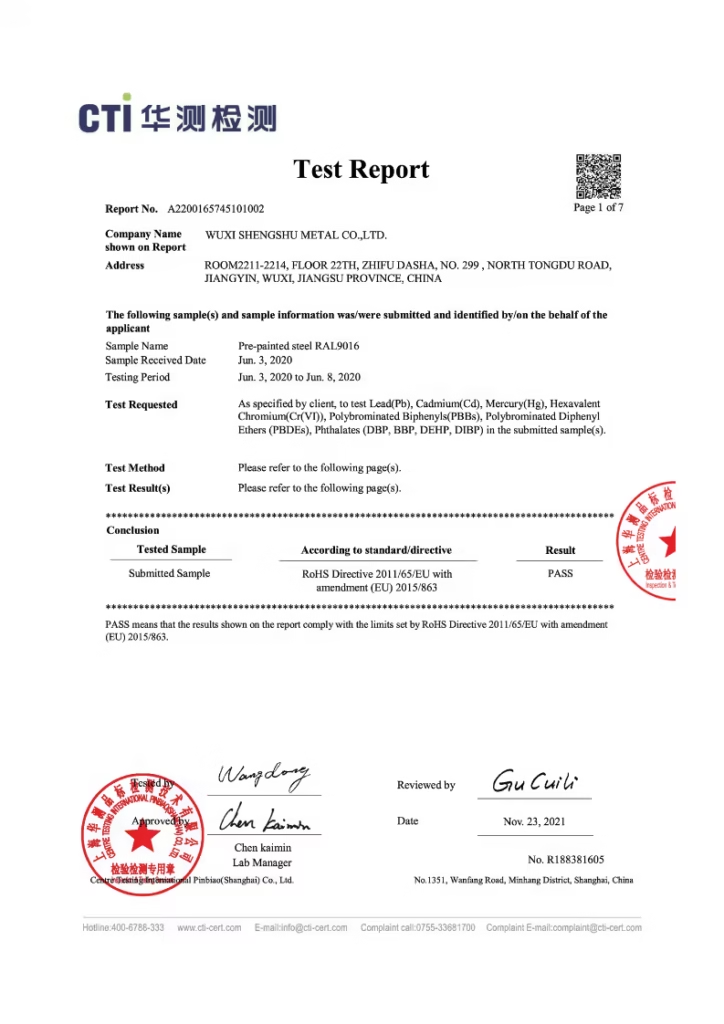
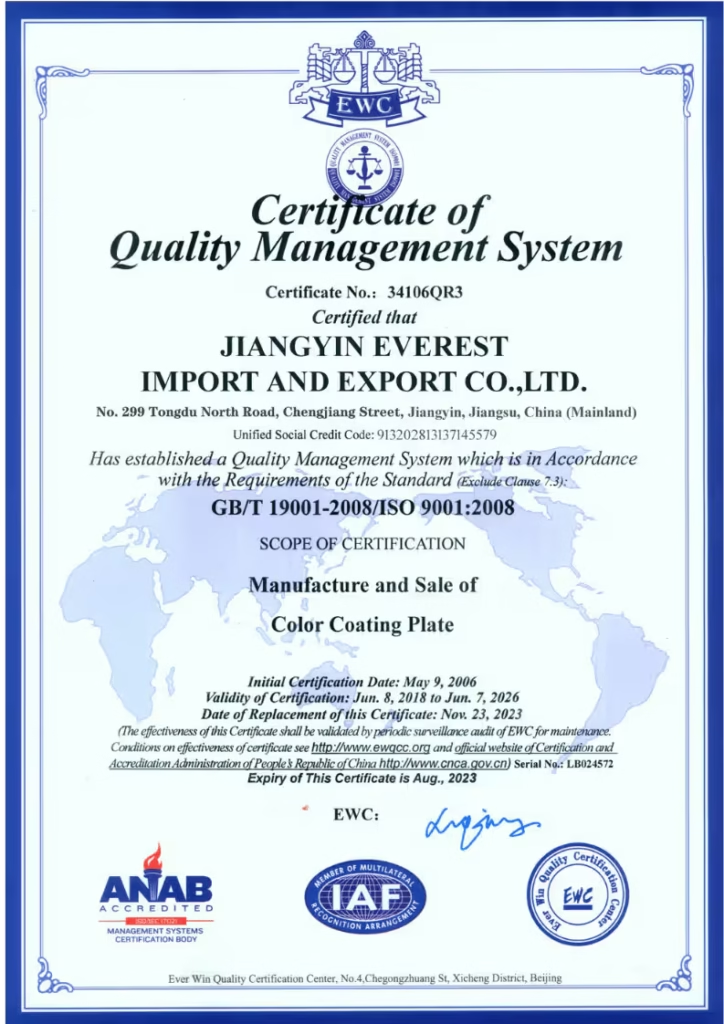
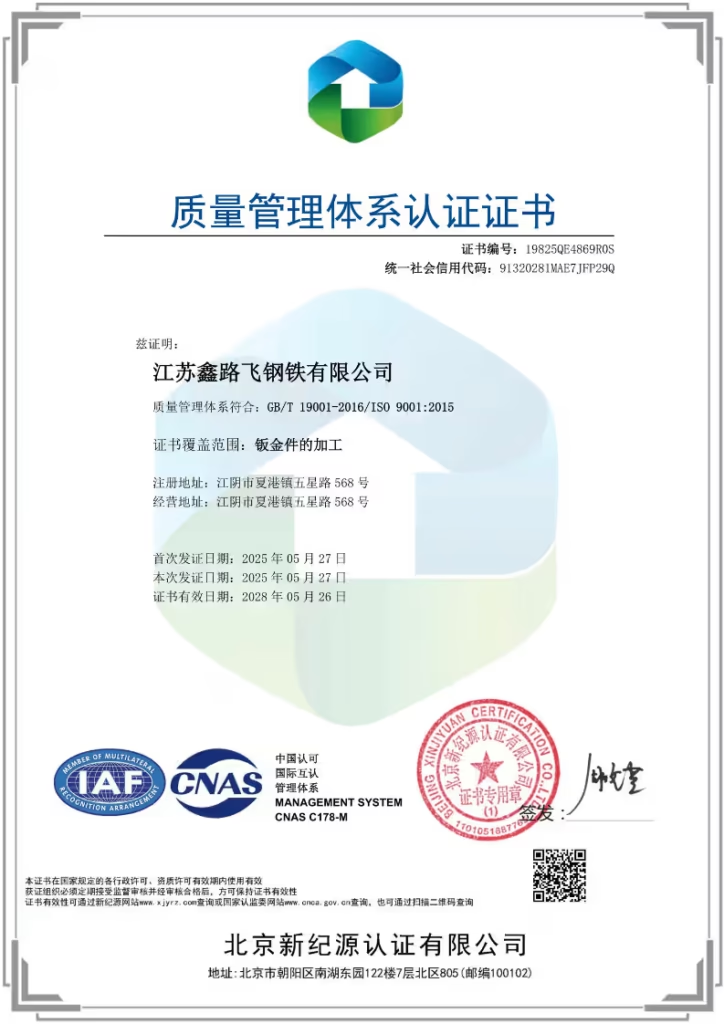
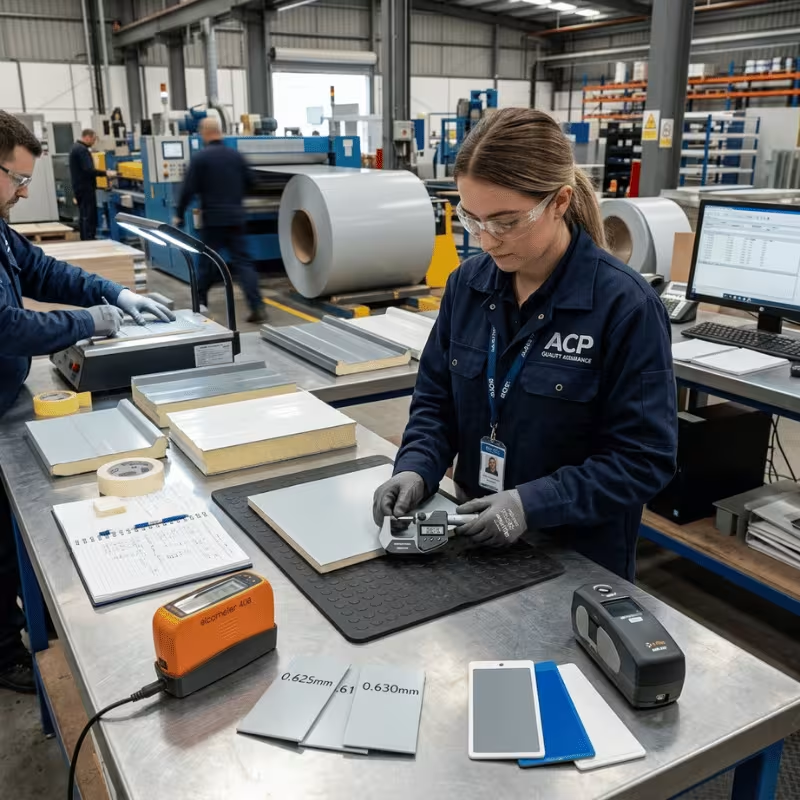
Everesteel operates under a documented quality management system that covers incoming substrate inspection, coating and lamination line parameters, surface appearance control, and final product inspection prior to shipment.
Standard quality controls applied to interior door steel include:
- Incoming substrate inspection for thickness, width, surface condition, and base metal conformity
- Coating or film thickness measurement recorded per batch according to the specified product structure
- Surface appearance inspection for color consistency, gloss uniformity, pattern direction, and visible defects
- Coating or film adhesion testing verified through standard cross-cut and T-bend checks
- Flatness and tension leveling checks so large visible door faces stay flat and even
- Scratch and hardness evaluation for high-contact door surfaces where required
- Reverse-side coating identification and honeycomb-bonding-compatibility confirmation for hollow-core panels
- Protective film inspection for coverage consistency, surface protection, and peel performance
- Dimensional verification for thickness, width, slit tolerance, and cut-to-length accuracy
FAQs
Q1. What steel is used for interior doors?
Interior doors commonly use PCM steel, VCM/PET laminated steel, wood grain steel, and hairline finish steel. The right choice depends on whether the door is a plain solid-color skin, a decorative visible face, a honeycomb hollow-core door, or a moisture-exposed bathroom door.
Q2. What is the difference between PCM and VCM steel for interior doors?
PCM uses a baked paint coating, while VCM uses a decorative film laminated onto the steel. PCM suits economical solid-color and fire-rated door skins; VCM and PET laminated steel suit decorative and premium visible faces with wood grain, hairline, or metallic effects.
Q3. Why is flatness important for interior door faces?
Interior doors are seen up close across large flat faces, so any waviness shows easily. We control steel grade, thickness, coil shape, and tension leveling to keep faces flat, so painted and laminated door surfaces stay clean and even after fabrication.
Q4. Which steel is best for bathroom and kitchen doors?
For wet areas, PET laminated steel and PCM give a smooth, low-porosity, wipe-clean face that resists humidity, steam, and swelling. Unlike wood or MDF, these skins stay stable in bathrooms and kitchens and clean up easily after daily use.
Q5. Can you supply steel skins for honeycomb hollow-core doors?
Yes. For honeycomb and hollow-core doors, we match the reverse-side coating to your core adhesive and bonding process, verified by a bonding trial before bulk production, so lightweight skins bond reliably to the honeycomb core.
Q6. Can wood grain and hairline finishes be used on interior doors?
Yes. Wood grain steel gives a realistic timber look for residential and hospitality doors, and hairline finish steel gives a brushed-metal look for modern commercial and premium residential doors — both without the fading or maintenance of real materials.
Q7. Can interior door steel be supplied in coil and sheet form?
Yes. We supply material as master coil, slit coil, or cut-to-length sheet according to your stamping, bending, or lamination line, with slit width, burr limit, and dimensions prepared to match your production.
Q8. Do you provide OEM support for interior door projects?
Yes. We support OEM production with custom colors, wood grain and hairline finish matching, honeycomb-bonding-compatible back coats, precision slitting, cut-to-length processing, sample matching, protective film, and export packaging for repeat-order production.
Related Products for Interior Door Projects
Explore the individual materials behind our interior door supply. Each links to full specifications and surface options.
VCM Laminated Steel
PET Laminated Steel
Wood Grain Steel
Hairline Finish Steel
Custom Color Coated Steel
Ready to Source Steel for Interior Doors?
Send us your door type, surface finish, thickness, width, forming method, and estimated quantity. Our team will recommend the right material — PCM, VCM/PET laminated, wood grain, or hairline finish steel — based on your appearance, forming, and cost requirements, and respond within one business day.
- Door type — solid-core, honeycomb/hollow-core, decorative face, fire-rated, or moisture-resistant door
- Panel construction — single skin, honeycomb-cored, or visible outer face
- Material preference — PCM, VCM, PET laminated, wood grain, hairline, or not sure yet
- Surface requirement — solid color, wood grain, high gloss, matte, or hairline/brushed
- Reverse-side / back coat — general or honeycomb-bonding-compatible, with adhesive details
- Color reference — RAL code, sample, or target door design
- Thickness and width — in millimeters (state base-metal or finished thickness)
- Forming method — bending, edge folding, stamping, or flat sheet lamination
- Supply form — master coil, slit coil, or cut-to-length sheet
- Quantity — in metric tons or sheets, and whether one-time or recurring
- Destination country — for freight and lead time estimation