
Anti-Corrosion Insulation Laminated Steel
Functional laminated steel for cold rooms, HVAC systems, and insulated panel applications
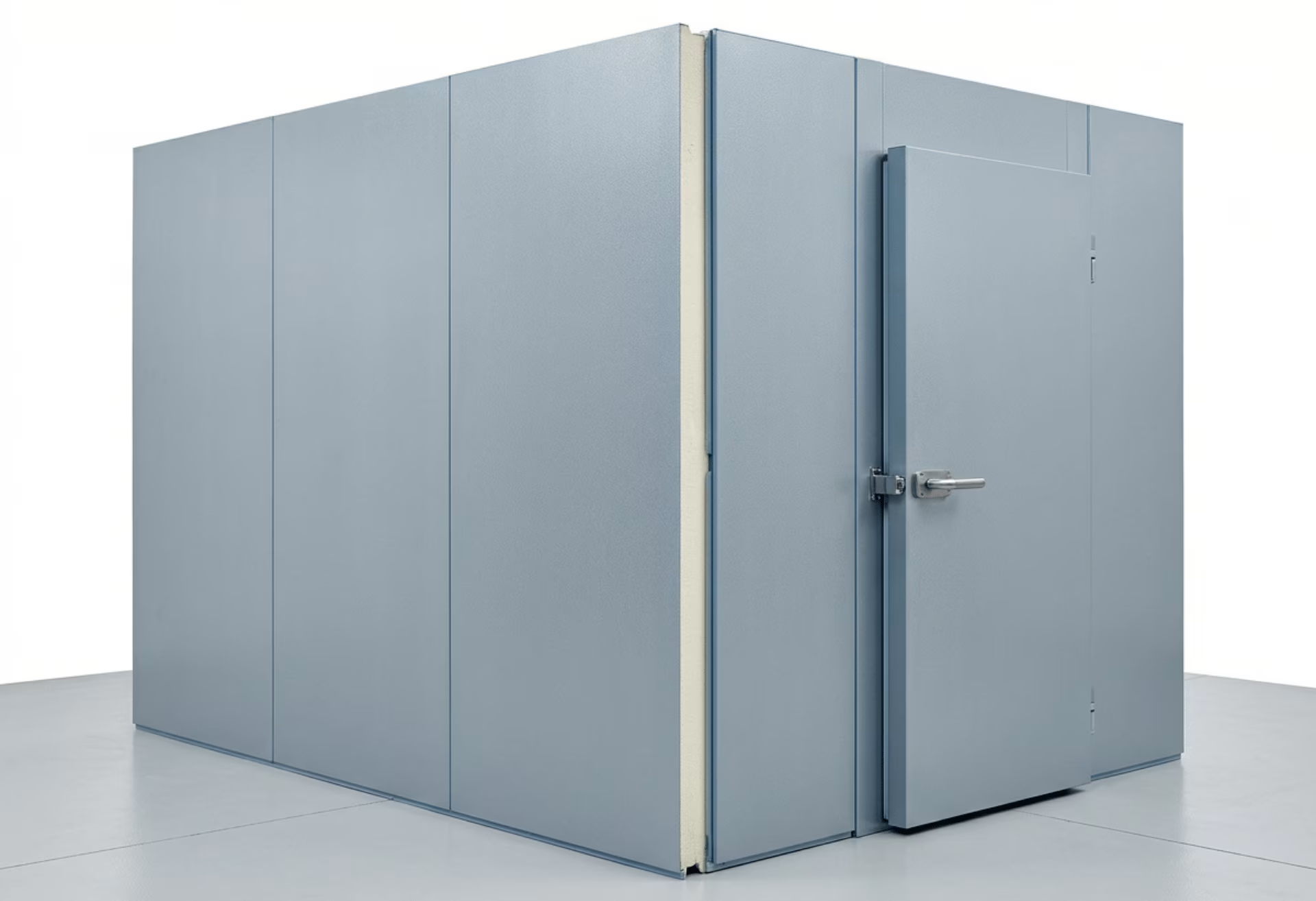
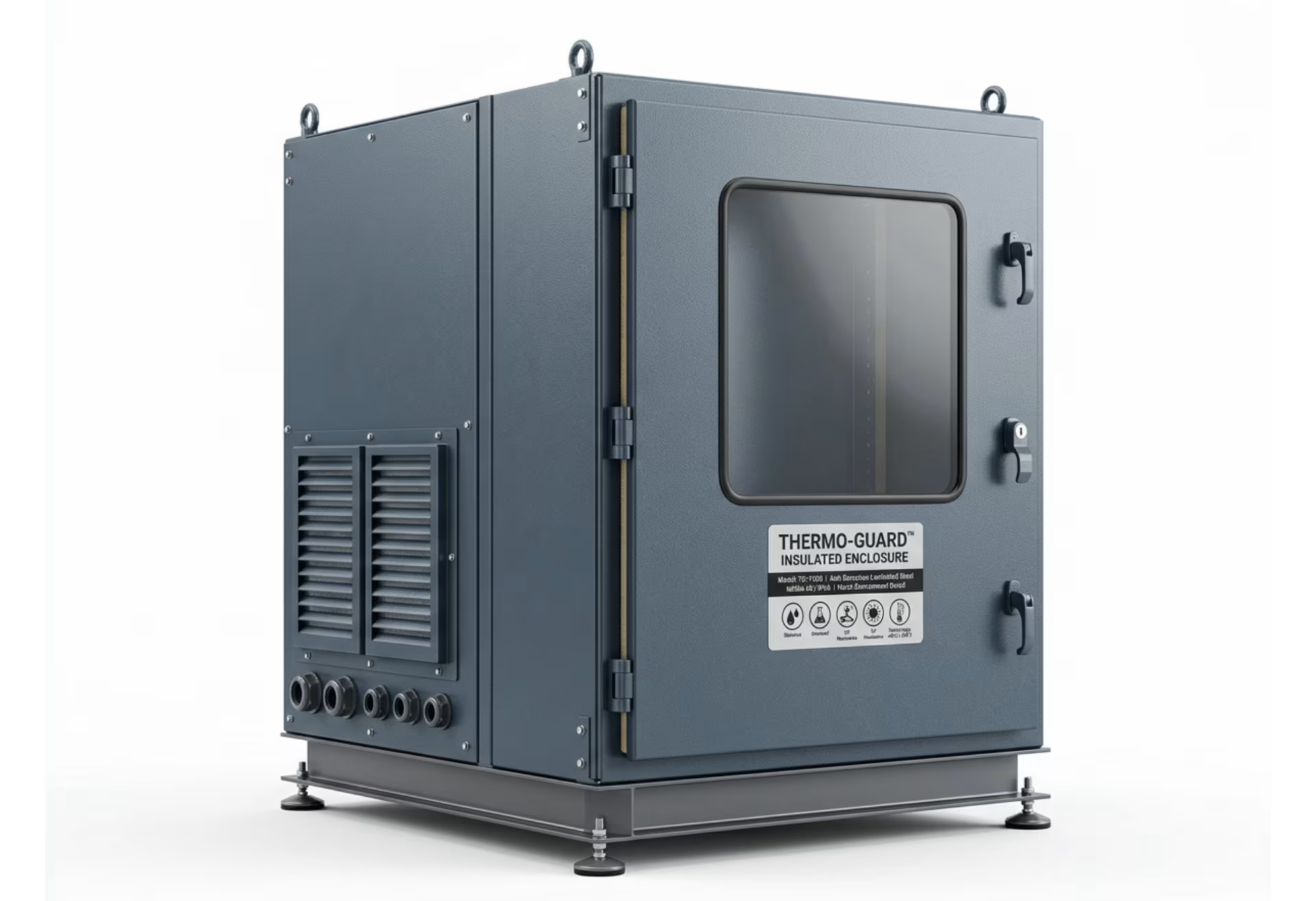
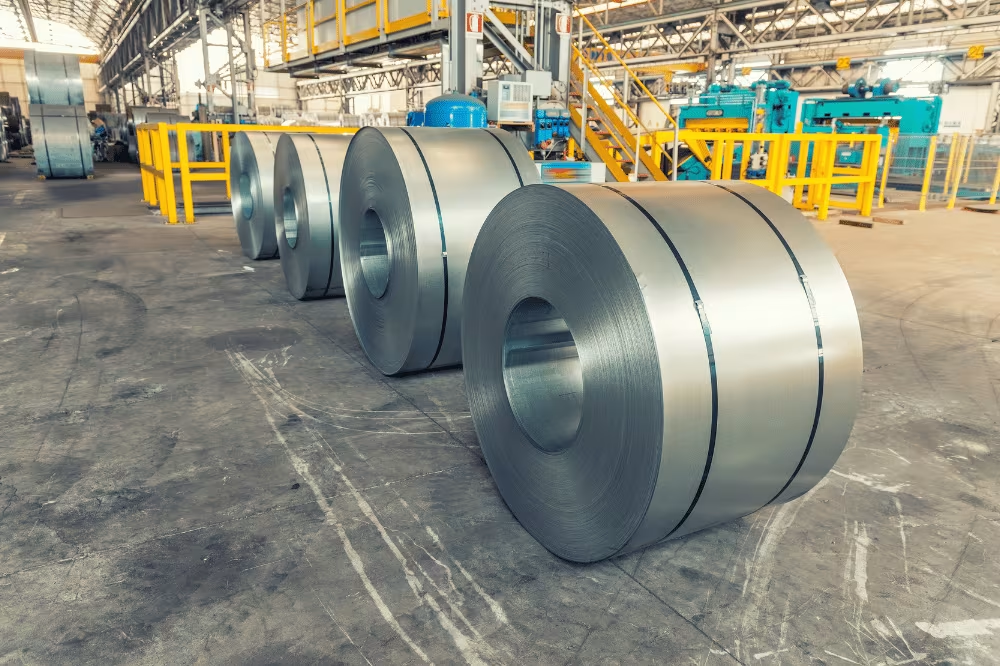
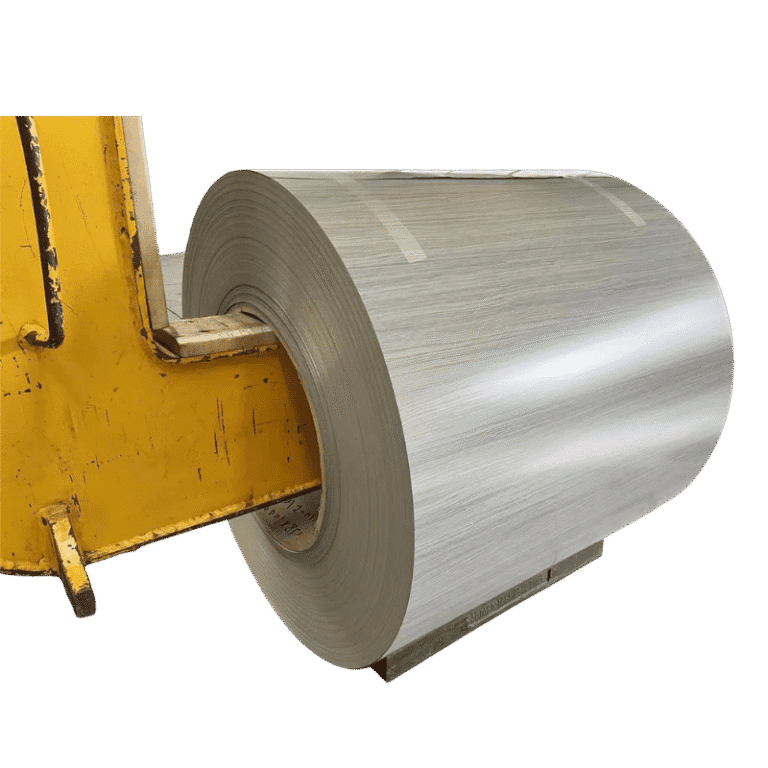
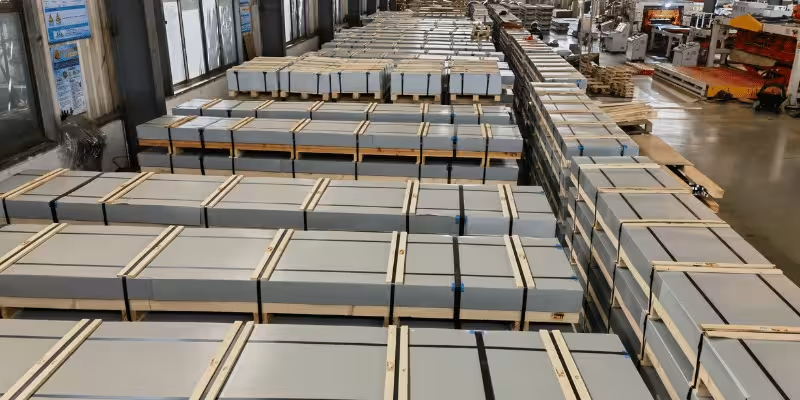
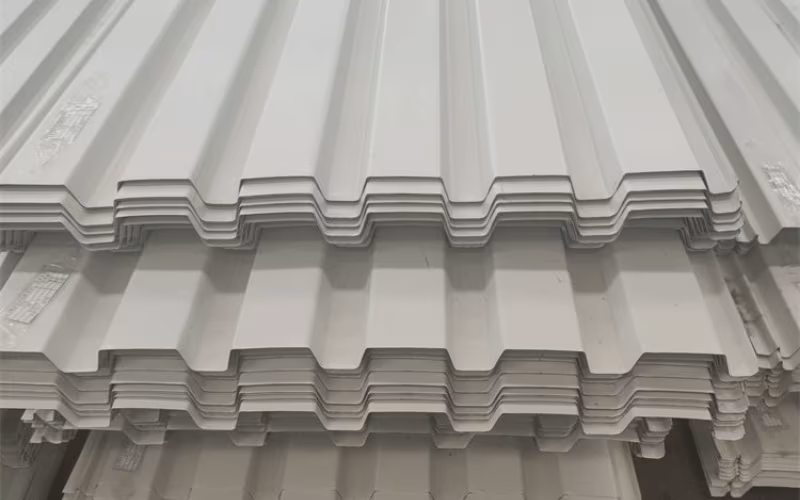
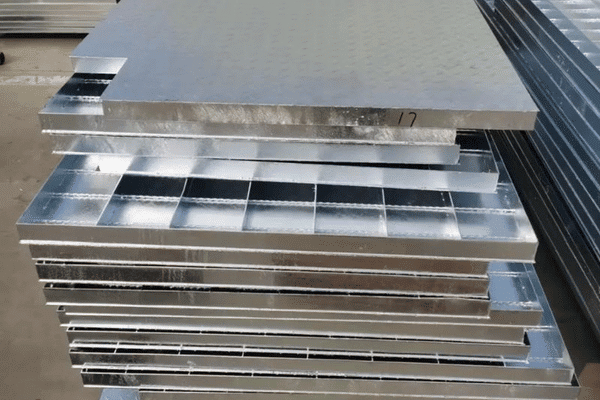
Everesteel manufactures anti-corrosion insulation laminated steel for customers who need corrosion resistance together with thermal or acoustic performance. Using coated steel facings bonded to insulating or barrier layers, it supports fabrication of refrigeration panels, ducting systems, and building envelope components exposed to moisture or demanding service conditions.
- Corrosion-resistant coated steel face with bonded insulating or barrier layer
- Thermal insulation or acoustic performance depending on core construction
- Suitable for cold rooms, refrigeration panels, HVAC ducting, and envelope systems
- Custom core and coated substrate options with slit coil and cut-to-length support
- MOQ from 5 tons for sampling and production supply
Own Factory, Own Coating Lines, Full Specification Control
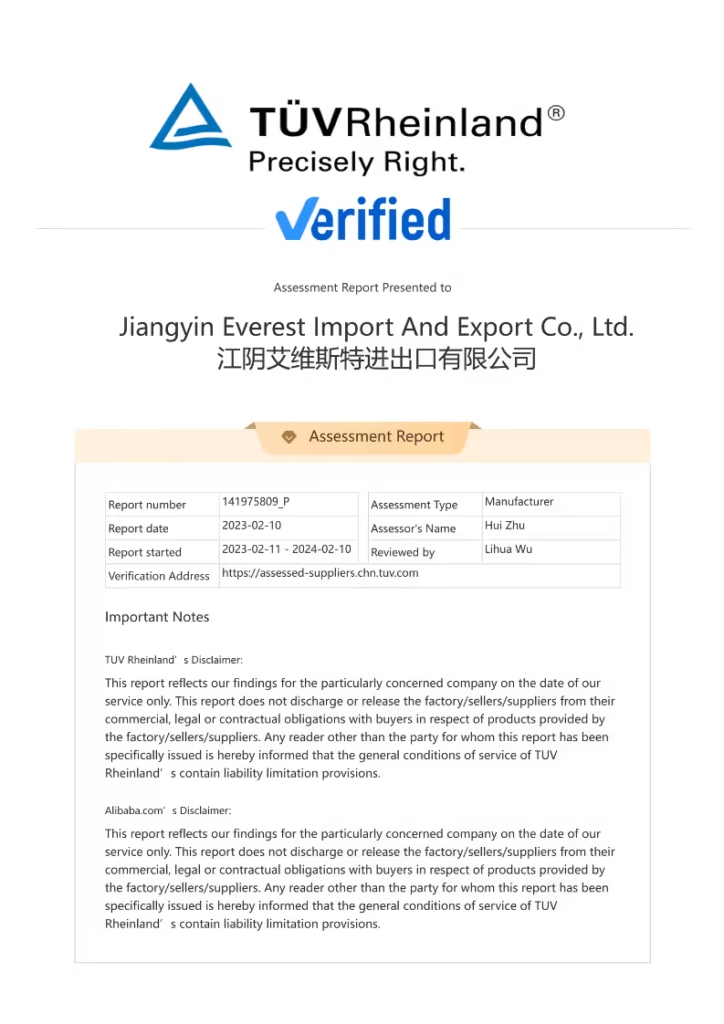
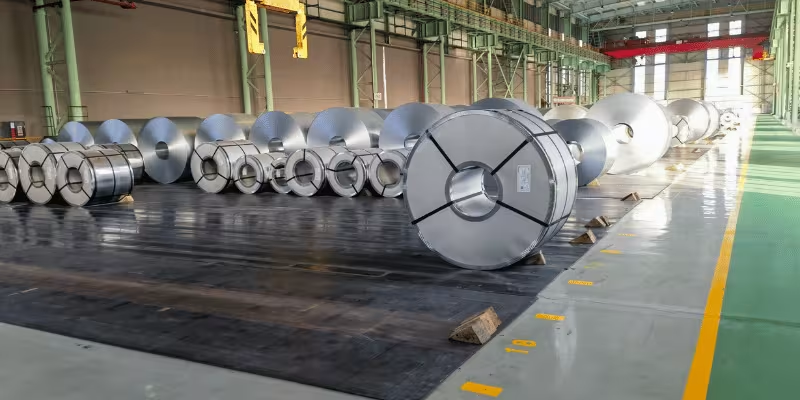
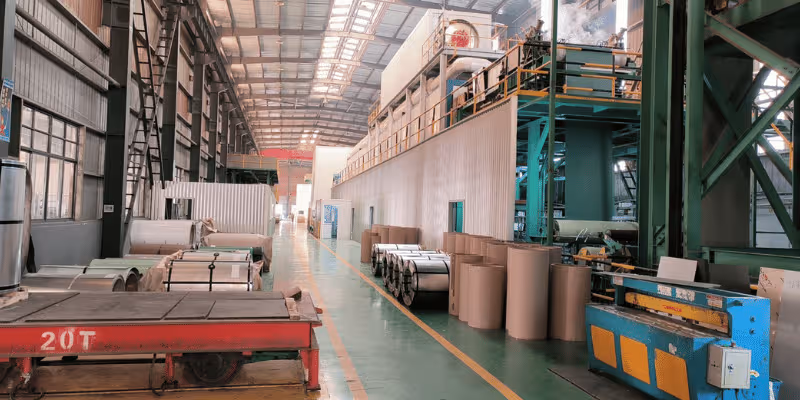
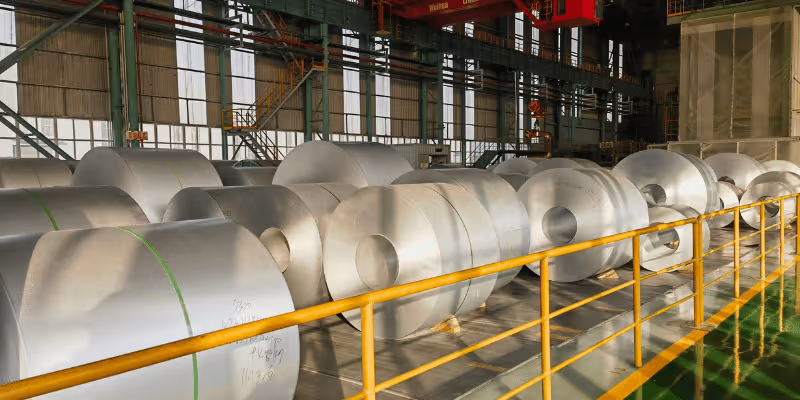
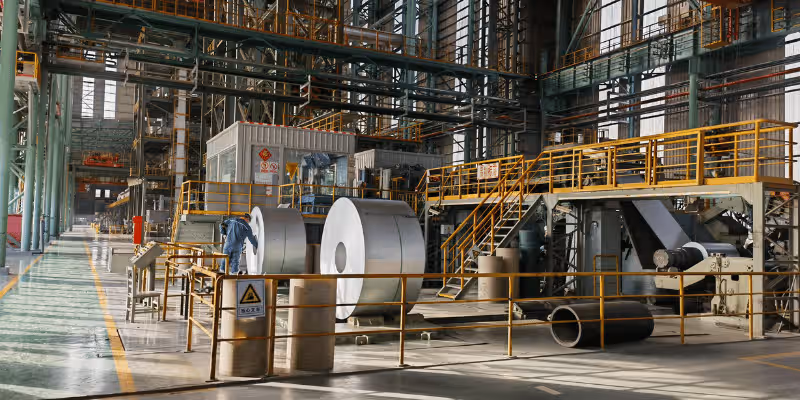
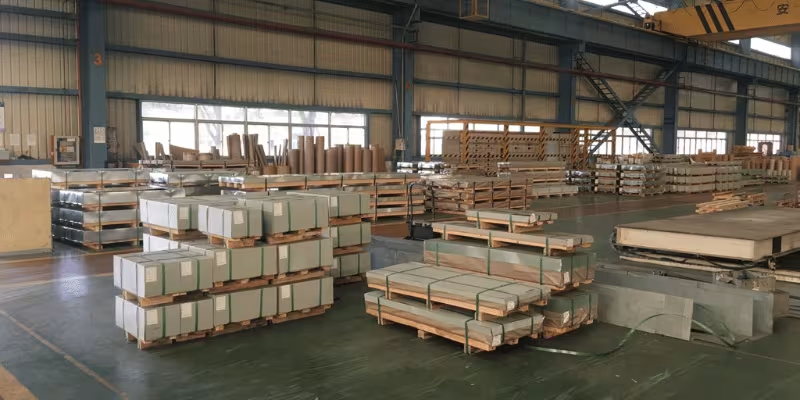
Everesteel produces every anti-corrosion insulation laminated coil and panel on our own coating and lamination lines in Jiangyin, one of China’s primary steel-processing hubs. We are a manufacturer — not a trading company.
That distinction matters most with functional laminated material, where corrosion protection, bonding strength, and insulation consistency all have to hold together in service — not on a middleman relaying your requirements to a mill.
Contact Us Now
Enter your inquiry details, We will reply you in 6 hours.
26,000+
tons annual production capacity
6,800+
global buyers served
65+
countries supplied worldwide
98.7%
on-time delivery rate
What is Anti-corrosion Insulation Laminated Steel?
Anti-corrosion insulation-laminated steel is a functional composite material made by bonding a corrosion-resistant-coated steel face to an insulating or barrier layer. Unlike decorative laminated steel products such as PVC- or PET-laminated steel, this construction is selected primarily for environmental resistance and thermal or acoustic performance rather than surface aesthetics.
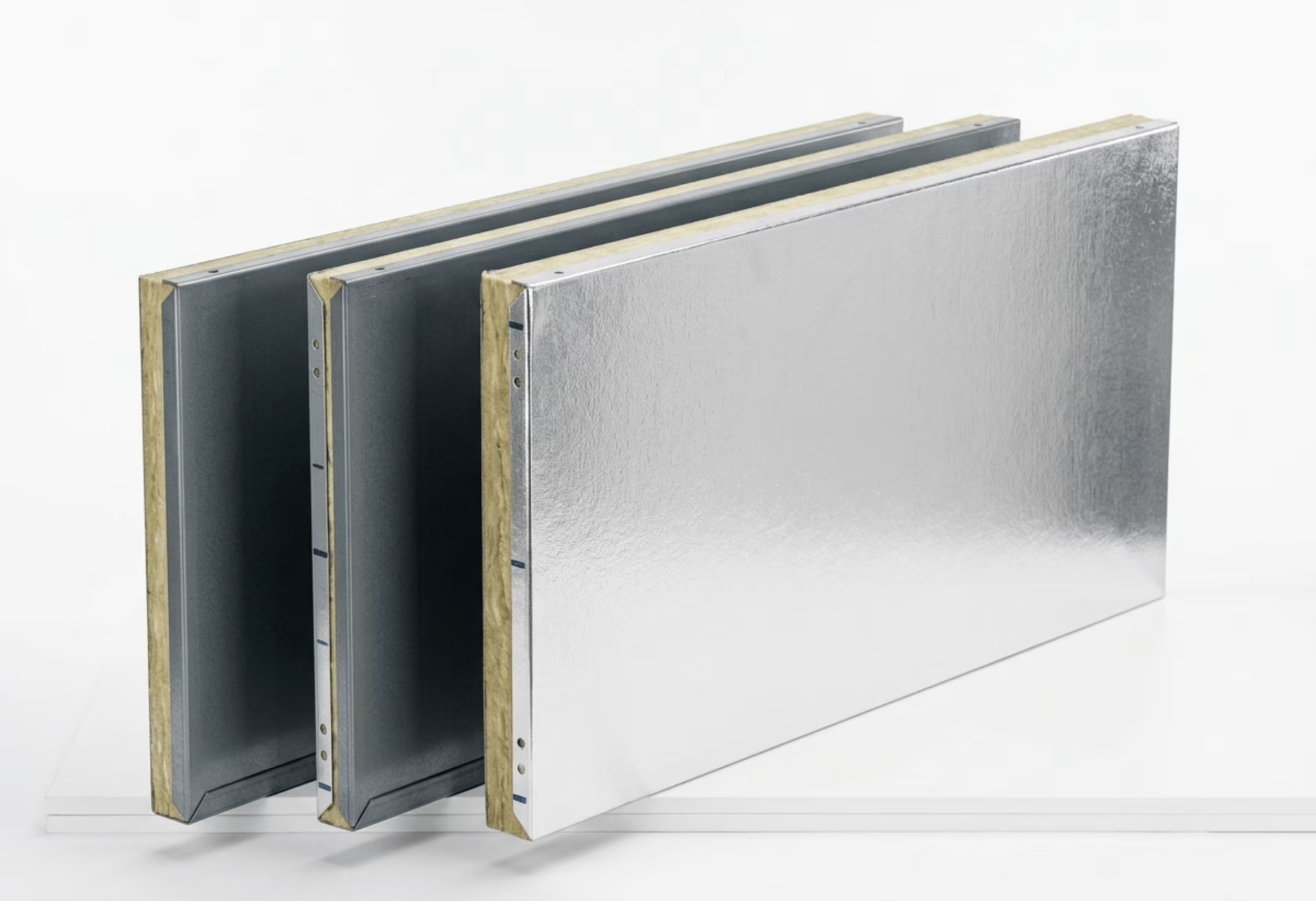
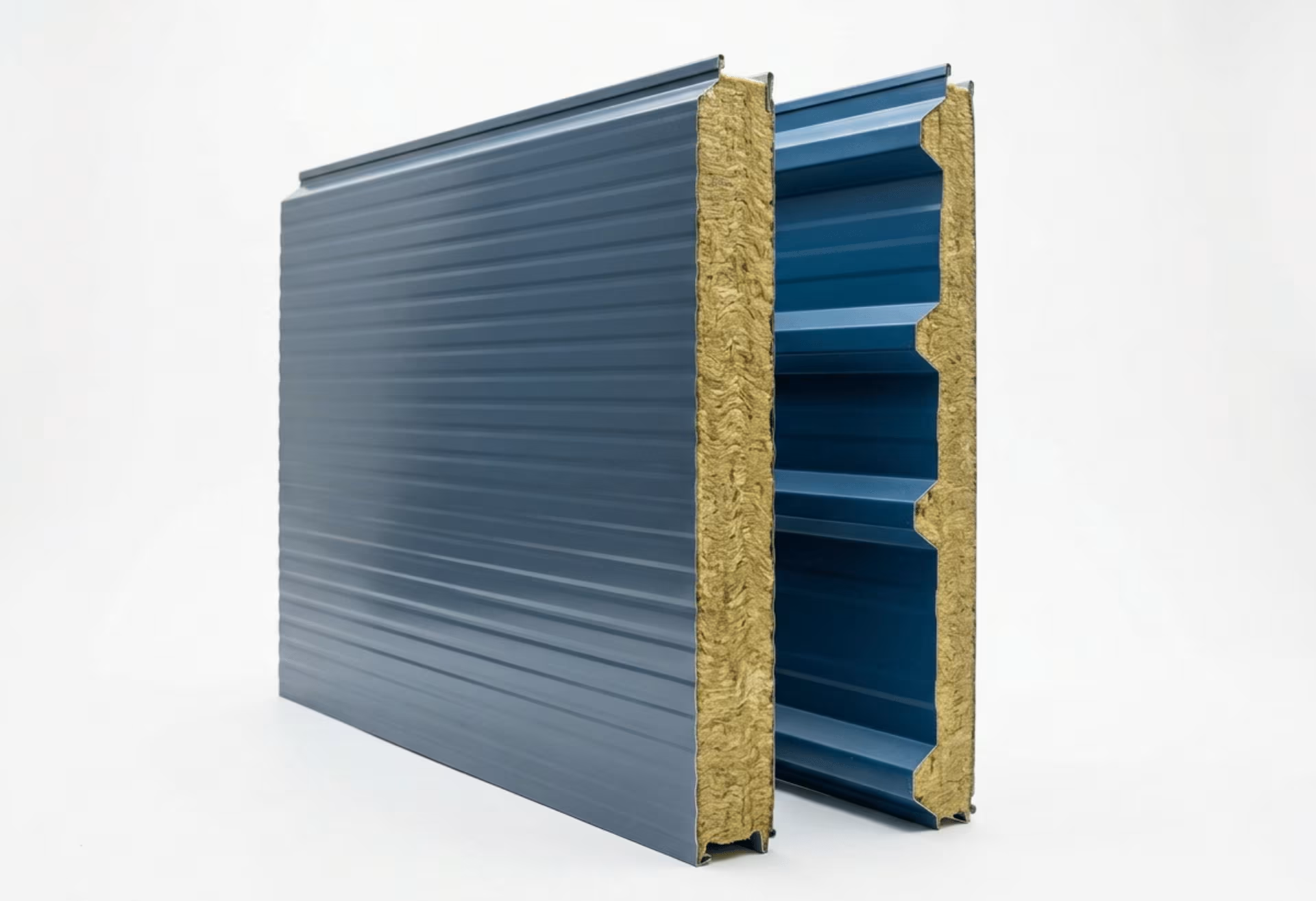
A typical build may include a coated steel face, a corrosion-resistant topcoat or barrier system, an adhesive layer, an insulation or functional core, and an optional backing layer. Final performance depends on the coating system, core type, bond integrity, edge protection, and the service environment.
This material is commonly used in cold room panels, refrigeration systems, HVAC ducting, and selected building envelope components where moisture resistance, insulation performance, and long-term laminate stability must all be considered together. When specifying it, buyers should confirm the coated face type, corrosion environment, core material, core thickness, bond system, and any edge-sealing requirements.
Anti-corrosion Insulation vs VCM / PET / PVC Laminated Steel: Which Should You Choose?
All four are laminated steel products. The difference is what the lamination is for — appearance or function.
| Factor | Anti-corrosion Insulation | VCM Laminated Steel | PET Laminated Steel | PVC Laminated Steel |
|---|---|---|---|---|
| Primary purpose | Corrosion + insulation function | Decorative film surface | Premium decorative surface | Decorative film surface |
| Laminated layer | Insulating / barrier core | PVC or PET film | PET film | PVC film |
| Main strength | Moisture/chemical resistance + thermal/acoustic control | Rich decorative depth, texture | Hardness, heat stability, clean feel | Wood grain, leather, cost efficiency |
| Surface priority | Function over looks | Visible appearance | Visible appearance | Visible appearance |
| Best for | Cold rooms, HVAC, building envelopes | Appliance and door panels | Premium visible panels | Door skins, decorative panels |
| Selection note | Confirm corrosion grade, core type, environment | Confirm film type, adhesion | Confirm film grade, hardness | Confirm film grade, forming |
- Choose anti-corrosion insulation laminated steel when the panel has to perform — resisting moisture or chemicals while managing heat or sound. Choose VCM, PET, or PVC when the panel is highly visible, and the lamination is there for looks.
Why Buyers Source Anti-corrosion Insulation Laminated Steel from Everesteel
Corrosion Protection Built for Real Service Environments
Cold rooms, refrigeration units, and HVAC systems put constant moisture and temperature swings on every panel. We build the corrosion-resistant face — galvanized, galvalume, or prepainted steel with an anti-corrosion coating — to match your actual environment, then verify coating weight and adhesion against reference standards on every batch. That means the panels reaching your line hold up in humid, condensing, or chemically active conditions instead of rusting from the edge in.
Bond Strength That Keeps Layers Together Under Stress
A functional laminate fails the moment its layers separate. We control pretreatment, adhesive application, and lamination pressure in-house, then test the bond between the coated face and the core so it survives handling, forming, temperature cycling, and years of service. You get panels that stay laminated where it counts — no delamination, no cold bridges opening up over time.
Insulation Performance Matched to Your Application
Thermal and acoustic needs vary widely between a walk-in freezer, an HVAC duct, and a building wall. Because we run our own lamination lines, we match core type and thickness to your target performance — heavier insulating cores for cold storage, thinner functional layers where space is tight — and confirm the build on a sample before mass production, so the panel actually delivers the performance you specified.
One Supplier for the Coated Face and the Functional Core
Sourcing corrosion-resistant steel from one mill and insulation from another leaves the bond quality — the part that matters most — to chance. We coat the steel and laminate the core under one roof, so a single supplier is accountable for how the two layers work together. That simplifies your sourcing and removes the finger-pointing when a multi-supplier panel underperforms.
Technical Specifications
| Parameter | Specification |
|---|---|
| Product | Anti-corrosion insulation laminated steel panel & coil |
| Coated face | Galvanized (GI), Galvalume (GL), or prepainted steel (PPGI/PPGL) |
| Face steel thickness | 0.30 mm – 1.00 mm (per application) |
| Anti-corrosion system | Zinc / Al-Zn metallic coating plus PE, PVDF, or epoxy topcoat |
| Insulation / functional core | PU foam, PIR, mineral wool, or composite barrier layer |
| Core thickness | 5 mm – 100 mm (by thermal / acoustic requirement) |
| Panel width | 600 mm – 1,200 mm (custom widths available) |
| Backing layer | Second coated face, foil, or protective film (optional) |
| Bond system | Structural adhesive matched to core and service temperature |
| Surface finish | Solid color, matte, embossed, foil-faced, or protective film |
| Color | RAL / Pantone standard; custom color matching available |
| Surface treatment | Chromate or chromate-free pretreatment (RoHS-compliant) |
| Standards | ASTM, JIS, EN, GB, or agreed project standard |
| Typical applications | Cold room panels, refrigeration units, HVAC ducting, building envelopes |
- Specifications are indicative. Custom cores, coated faces, thicknesses, and widths are available on request. Minimum order quantity: 5 tons.
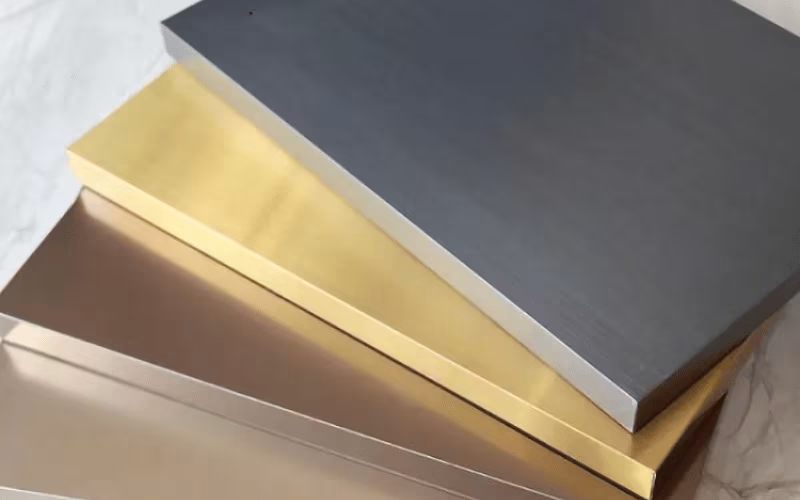
Surface and Pattern Options
The visible face of this panel still matters, even though function comes first. The options below can be adjusted to match your requirements while keeping the corrosion and insulation performance intact.

Solid Colors
Uniform single-tone coated faces in white, grey, silver, and custom RAL/Pantone references — the standard choice for cold room panels, refrigeration units, and equipment enclosures.
Matte / Low Gloss
Flat, low-reflection coated face that hides handling marks and suits interior utility and building envelope work where a clean, non-glare surface is preferred.
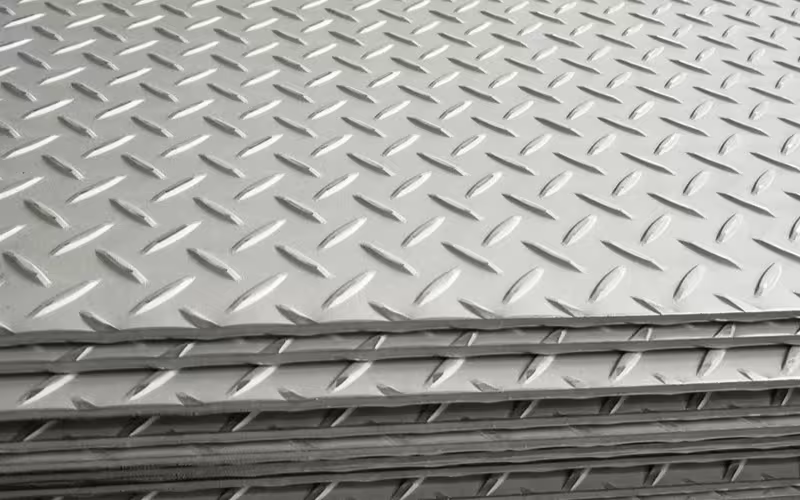
Embossed Finish
Structural emboss patterns such as linen or stucco applied to the coated face, adding rigidity to the panel and masking minor handling marks in service.
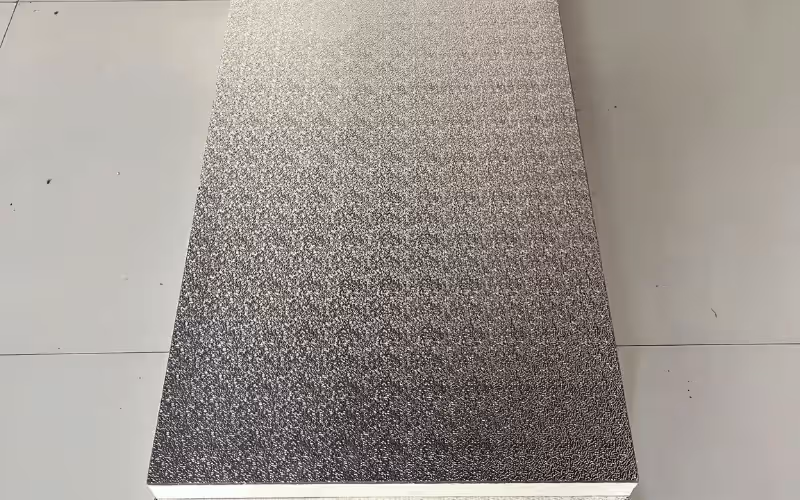
Foil-Faced Surface
A metallic foil layer over the core for applications needing a vapor barrier or reflective surface, common in HVAC and insulation ducting.
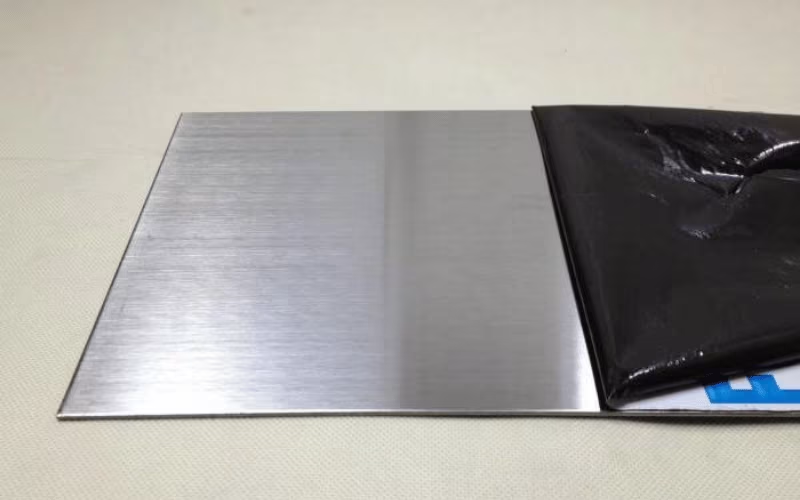
Protective Film
A peelable protective layer over the coated face for transit and installation protection, matched to your storage time and handling process.
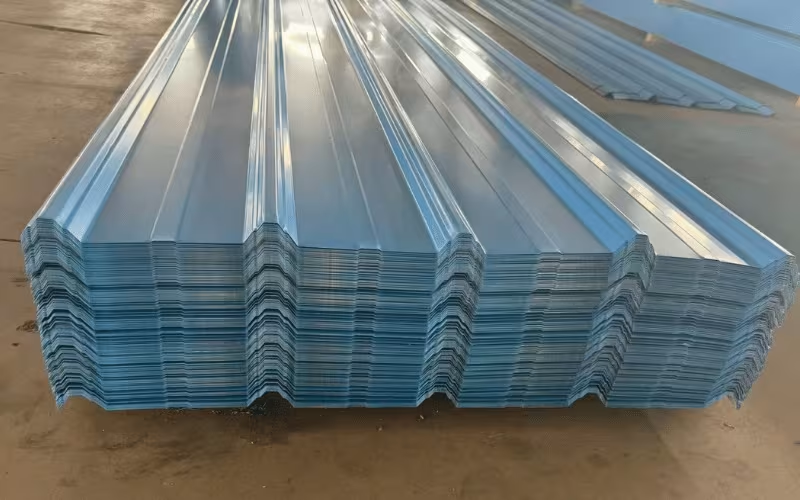
Corrosion-Resistant Topcoat
PVDF or epoxy topcoat options over the metallic coating for panels facing high humidity, condensation, or chemical exposure where standard PE isn't enough.
Processing Capabilities
Downstream processing is available in-house, so your panels can arrive in the format your cold room, HVAC, or panel line actually needs — not just as master material.
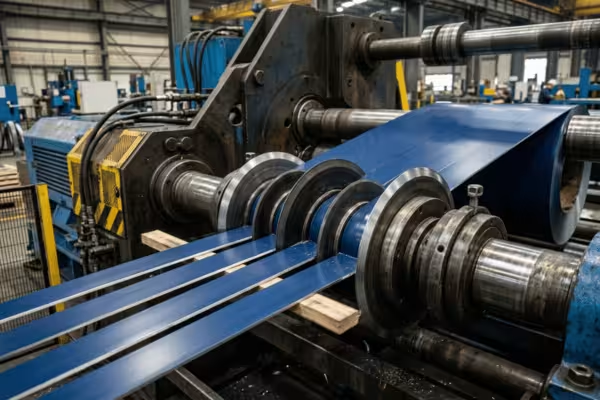
Slitting
Coated coil is slit to custom widths from 20 mm and above, with tight tolerances and clean edges suited to panel forming and profile lines before lamination.
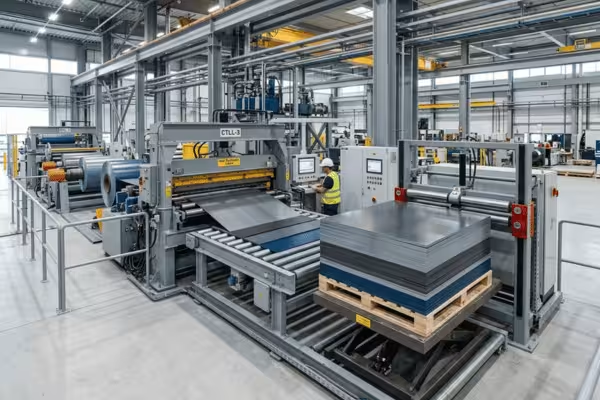
Cut-to-Length
Panels and coated sheet cut to your dimensions with flatness and squareness tolerances suitable for direct assembly, forming, or panel fabrication.
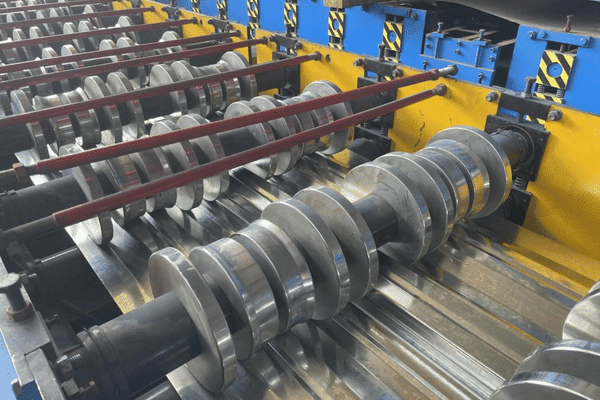
Lamination
The coated face is bonded to the insulating or functional core under controlled temperature and pressure, followed by stable curing to protect bond strength and flatness.
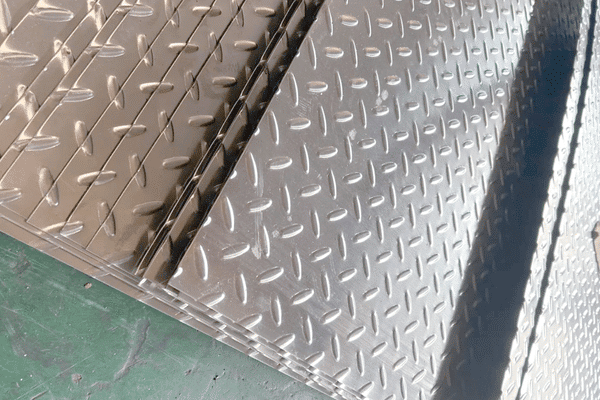
Embossing
Structural or decorative emboss patterns applied in-line to the coated face, adding rigidity to thin gauges and hiding minor handling marks.
Edge and Corrosion Sealing
Edge treatment and sealing options to protect exposed core and cut edges from moisture ingress, important for panels in humid or condensing environments.
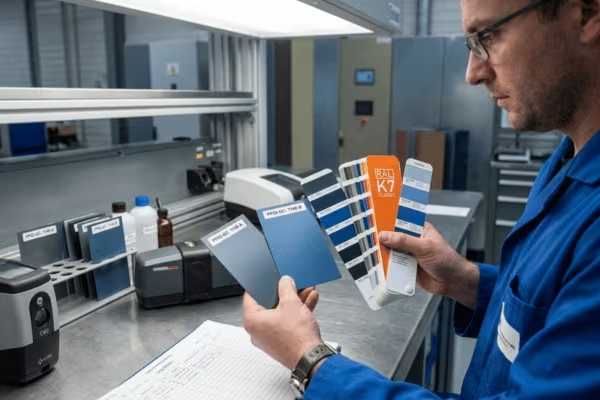
Custom Color Matching
Submit a physical sample, RAL code, or Pantone reference, and our technical team formulates a matched coated face — with a production sample provided for approval before the full run begins.
Sourcing panels or slit strip for a cold room or HVAC project?
Send your coated face, core type, thickness, and width, and our team will confirm lead time and pricing within one business day.
Recommended Specifications by Application
| Application | Face Thickness | Coated Face | Core Type | Core Thickness |
|---|---|---|---|---|
| Cold room / freezer panels | 0.40 – 0.60 mm | PPGI / PPGL | PU foam / PIR | 50 – 100 mm |
| Refrigeration unit panels | 0.40 – 0.50 mm | PPGI | PU foam | 25 – 50 mm |
| HVAC insulation ducting | 0.40 – 0.60 mm | GI / PPGI | PIR / foil-faced | 20 – 50 mm |
| Building envelope panels | 0.50 – 0.80 mm | PPGL / GL | Mineral wool / PIR | 50 – 100 mm |
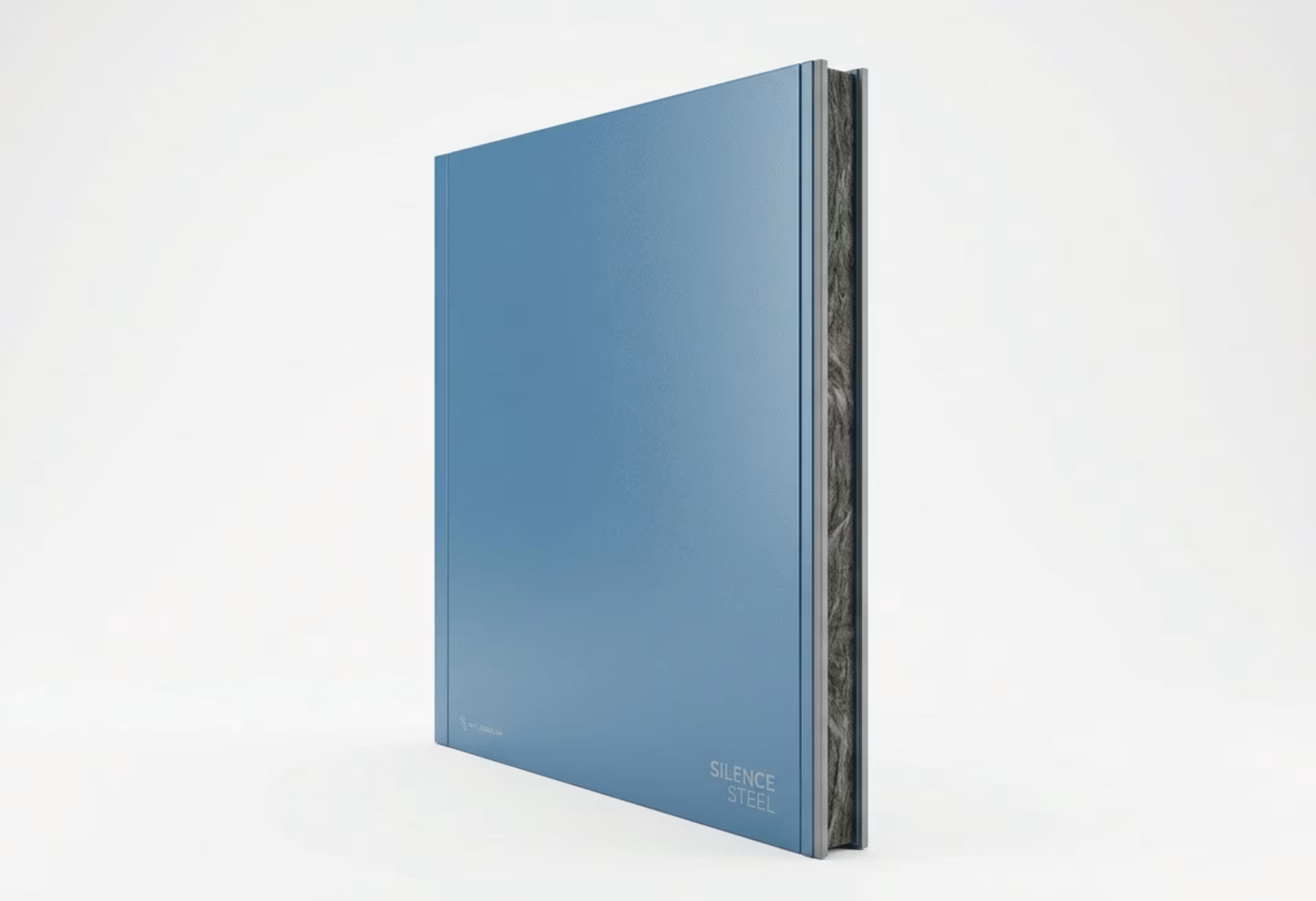
| Acoustic partition panels | 0.40 – 0.60 mm | PPGI | Mineral wool | 25 – 75 mm |
| Equipment enclosure panels | 0.40 – 0.70 mm | GI / PPGI | Composite barrier | 10 – 25 mm |
- These are indicative starting points. Final specifications should be confirmed based on your service environment, thermal or acoustic targets, and fabrication process.
Typical Applications
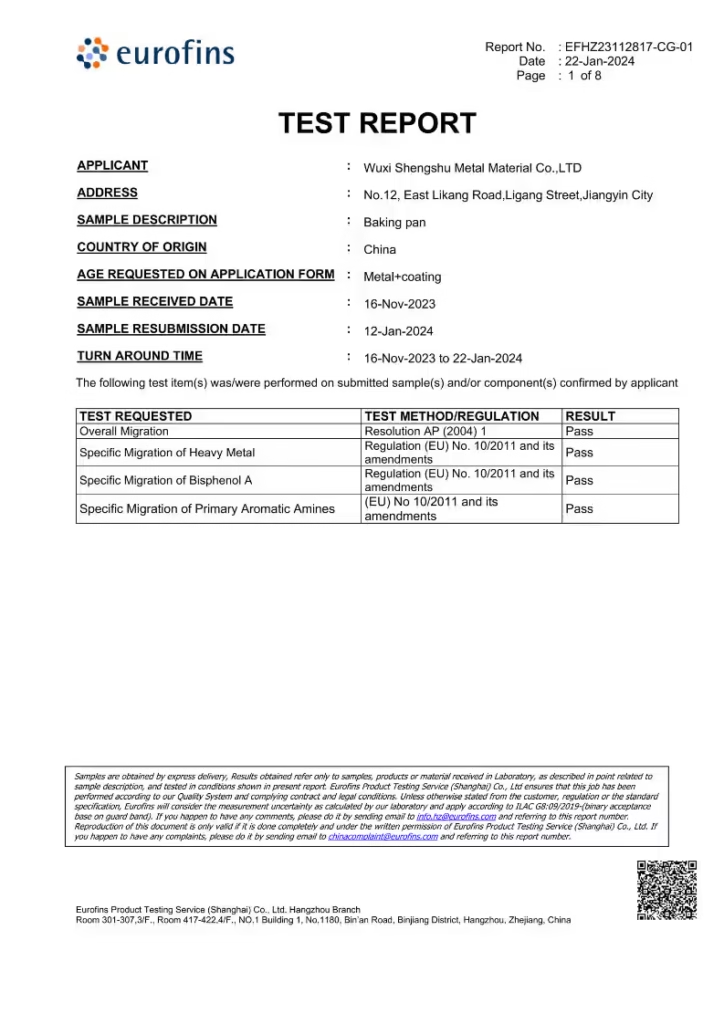
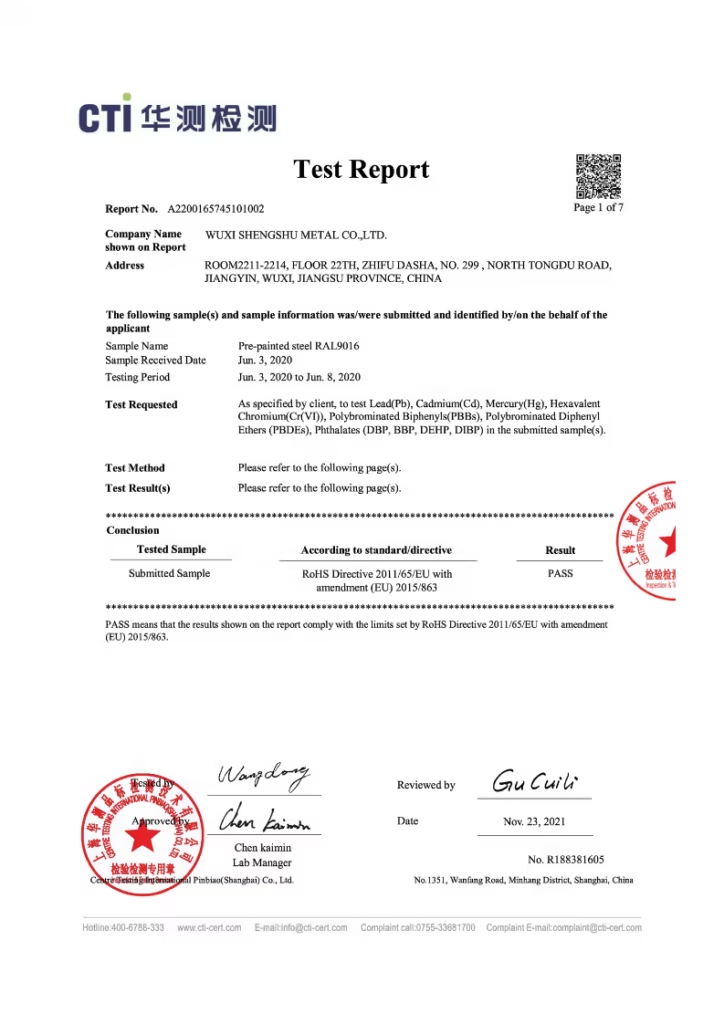
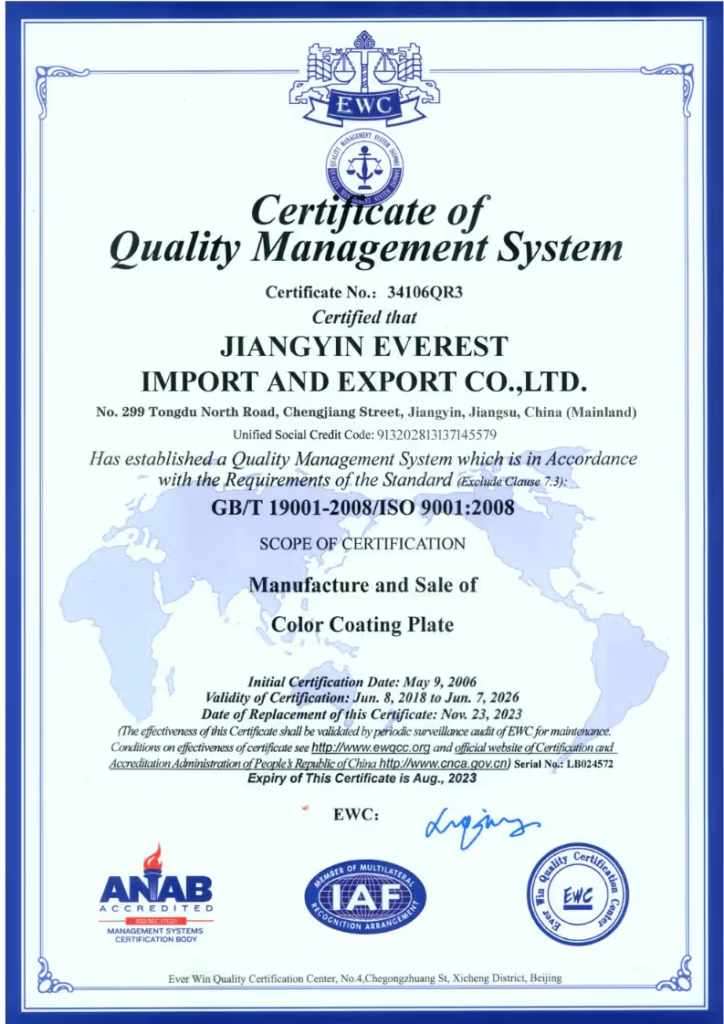
Quality Control and Certifications
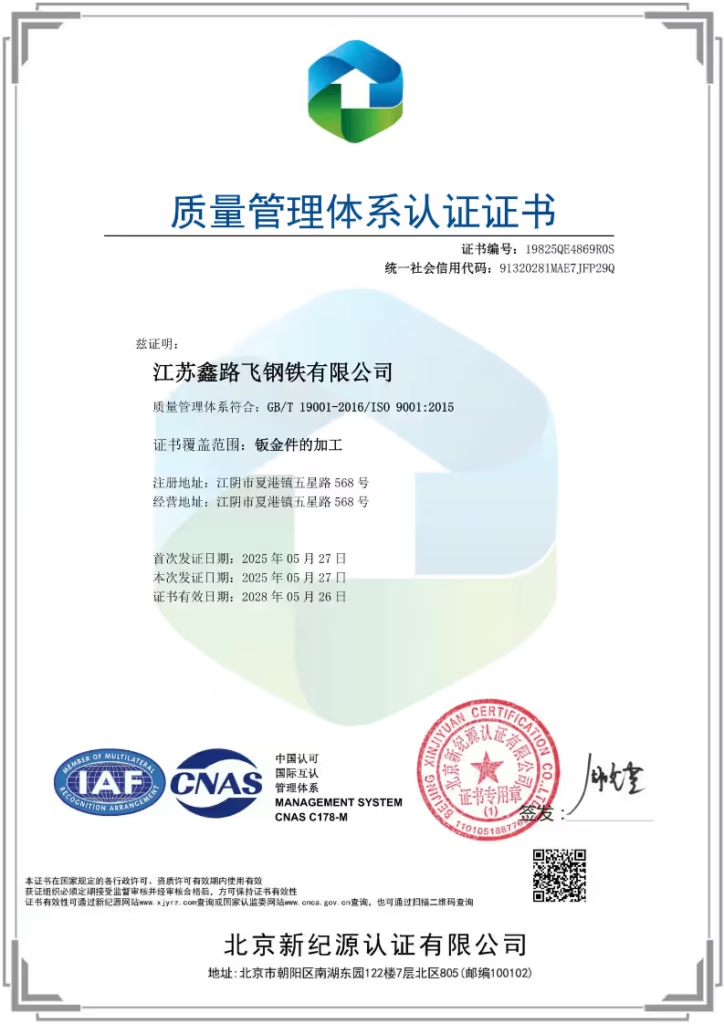
Everesteel maintains a documented quality management system across every production stage — from incoming substrate inspection through to final panel labeling and packaging.
In-process controls include:
- Incoming substrate inspection (thickness, coating weight, mechanical properties)
- Anti-corrosion coating thickness and adhesion measurement
- Bond strength testing between coated face and core
- Insulation core thickness and consistency checks
- Salt spray and humidity cabinet testing for corrosion-critical grades
- Edge seal and moisture-ingress inspection where specified
- Final dimensional check before packaging
Test reports and mill certificates are issued with each shipment. Third-party inspection — including SGS, BV, and CCIC — can be arranged before loading on request.
FAQs
Q1. How is this different from VCM, PVC, or PET laminated steel?
The decorative laminated products — VCM, PVC, and PET — use a film to give the surface color, texture, and a premium look. Anti-corrosion insulation laminated steel uses lamination for function instead of appearance. It bonds a corrosion-resistant coated face to an insulating or barrier core, so the panel resists moisture and chemicals while managing heat or sound. Choose it when the panel has to perform, not just look good.
Q2. What corrosion protection does the coated face provide?
The face is built from galvanized, galvalume, or prepainted steel, carrying a zinc or aluminum-zinc metallic coating plus a paint topcoat. For high-humidity, condensing, or chemically active environments, we recommend PVDF or epoxy topcoats over the metallic layer. We confirm coating weight and adhesion on every batch and can run salt spray testing for corrosion-critical applications.
Q3.What insulation cores can I specify?
Common cores include PU foam and PIR for thermal insulation, mineral wool for combined thermal, fire, and acoustic performance, and composite barrier layers for thinner functional builds. We match core type and thickness to your thermal or acoustic target and service environment, and confirm the build on a sample before mass production.
Q4. Will the layers stay bonded in a cold or humid environment?
A correctly specified panel will. Bond failure is the main risk with functional laminates, so we control pretreatment, adhesive application, and lamination pressure in-house and test bond strength against the service conditions. For cold room and condensing environments, we also recommend edge sealing to stop moisture reaching the core and weakening the bond over time.
Q5. Can this material be used in the building envelope?
Yes. Insulated wall and roof panels for industrial, commercial, and agricultural buildings are a core application. Galvalume and prepainted faces handle weather and corrosion, while mineral wool or PIR cores deliver thermal performance and, depending on the core, fire and acoustic benefits. We confirm the right build against your project’s performance and code requirements.
Q6. What is your minimum order quantity?
Our standard minimum order quantity is 5 tons per specification. Because functional panels involve core selection and lamination setup, we recommend discussing your full project volume so we can advise the most cost-efficient run size for your build.
Q7. What is the typical lead time for these panels?
Standard lead time is 20–30 days from order confirmation and deposit receipt, since functional lamination adds steps beyond a standard coated coil. Custom cores or new corrosion topcoats may add time for sample approval. Expedited scheduling may be available depending on production capacity at the time of order.
Q8. Can I approve a sample before committing to a bulk order?
Yes, and we recommend it for every functional panel order. You receive a sample panel to confirm the coated face, core build, bond quality, and dimensions. For corrosion- or insulation-critical projects, we can provide test data alongside the sample. Mass production starts only after you approve the sample in writing.
Other Products in This Category
Exploring other laminated and coated options? Here are the related products in our range — each suited to a different surface system, environment, or application.
VCM Laminated Steel
PVC Laminated Steel
PET Laminated Steel
Ready to Source Anti-corrosion Insulation Laminated Steel? Start with the Right Information.
Send us the details below and our team will respond with pricing, lead time, and availability within one business day.
- Application — what the material will be used for (e.g., cold room panel, HVAC duct, building envelope)
- Coated face — GI, GL, PPGI, PPGL, or required corrosion level
- Corrosion environment — humidity, condensation, chemical exposure, or coastal conditions
- Insulation requirement — thermal, acoustic, or both, with target performance if known
- Core preference — PU foam, PIR, mineral wool, composite, or not sure yet
- Face thickness and core thickness — in millimeters, if known
- Panel width and length — coil, slit, or cut-to-length sheet
- Quantity — in metric tons, and whether one-time or recurring
- Destination country — for freight and lead time estimation