




A single wrong coating choice can quietly drain a project budget. Picture a coastal warehouse roofed with PPGI to save a few dollars per ton. Within six years, rust streaks the panels, and the owner faces a full re-roof that costs far more than the “premium” material would have upfront. That mistake happens all the time, and it almost always traces back to one thing: buyers treating PPGI and PPGL as interchangeable.
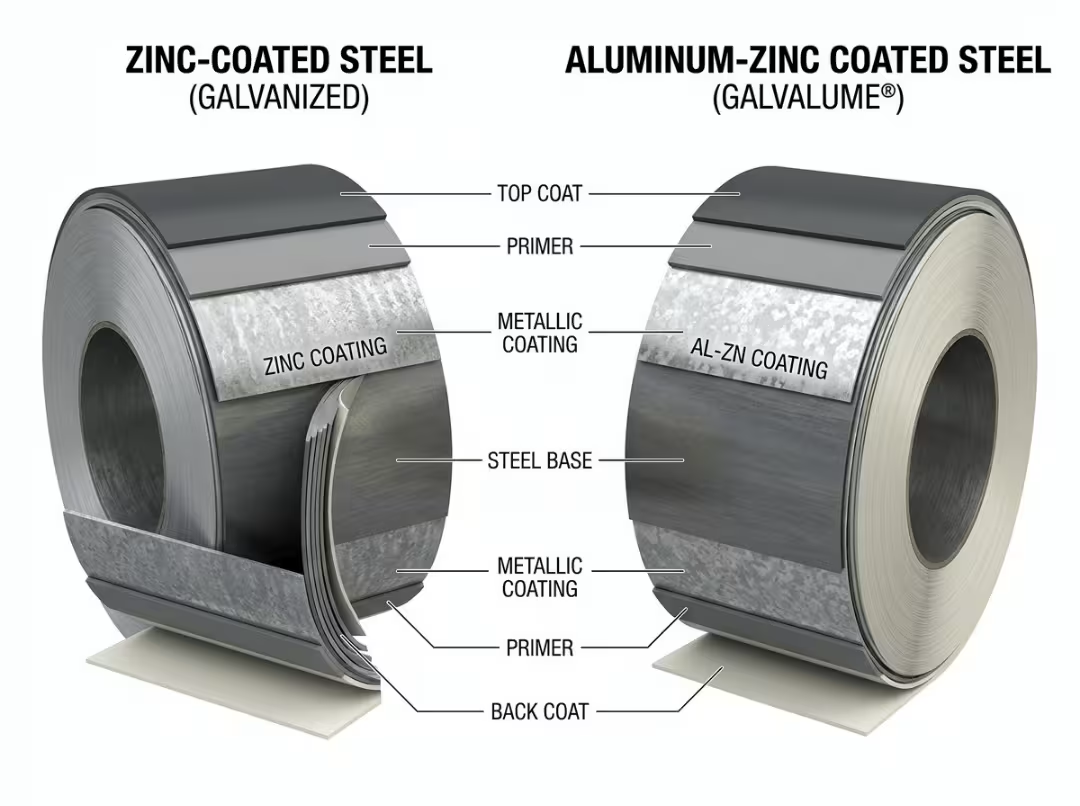
They aren’t. Both are pre-painted steel coils, and they often carry the exact same paint on top. The difference sits underneath, in the metallic coating that protects the steel. PPGI uses a hot-dip zinc coating. PPGL uses a zinc-aluminum alloy, typically 55% aluminum, 43.4% zinc, and 1.6% silicon. That one layer changes how long the material lasts, how well it fights corrosion, and how much it costs over its life. This guide cuts through the confusion so you can match the right coil to the right job.
What Are PPGI and PPGL?
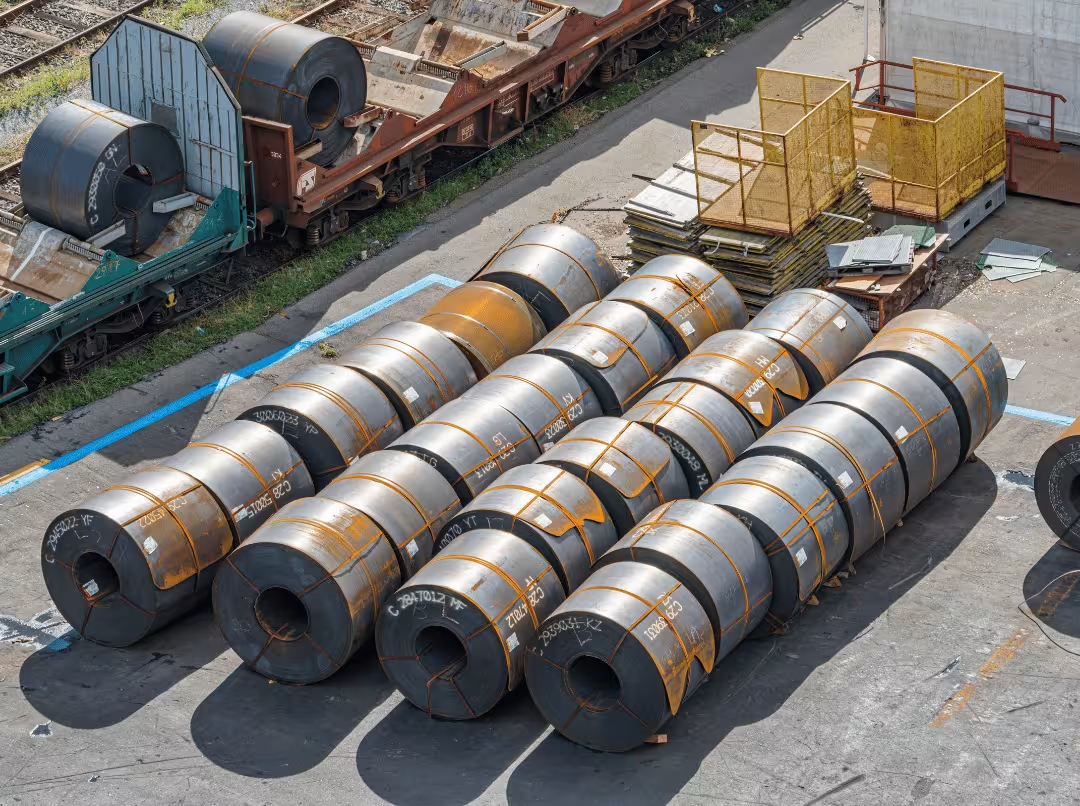
Both products start with the same base: cold-rolled steel strip that gets a metallic coating, a paint system, and a bake-on finish. The paint stack is usually identical on both: cleaning, chemical pretreatment, primer, top coat, and often a back coat.
PPGI stands for pre-painted galvanized iron. Its base layer is pure zinc applied by hot-dip galvanizing.
PPGL stands for pre-painted galvalume. Its base layer is the zinc-aluminum-silicon alloy noted above.
Here’s the key point most spec sheets bury: the only real difference between the two is the metallic coating beneath the paint film. Same steel, same paint chemistry, different armor underneath.
You’ll also see these products sold under other names. Galvalume and Zincalume both refer to the aluminum-zinc coating found on PPGL. “Color-coated coil” and “prepainted steel” are generic umbrella terms that can mean either product, so never assume from the label alone. Always confirm the metallic coating type.
Key Differences That Actually Drive Your Decision
Skip the exhaustive spec comparison. Three factors decide most purchases, plus two worth a quick note.
|
Factor |
PPGI (Zinc) |
PPGL (Zinc-Aluminum) |
|---|---|---|
|
Corrosion resistance |
Good inland, weaker at the coast |
Superior in humid, salty, industrial air |
|
Cut-edge protection |
Better short-term self-healing |
Weaker at edges, stronger on flat surfaces |
|
Typical lifespan |
8–15 years (moderate conditions) |
15–30 years (depending on environment) |
|
Heat reflectivity |
Standard |
Higher, thanks to aluminum content |
|
Price per ton |
Lower |
5–15% higher |
Corrosion Resistance
Zinc protects steel by corroding first, but it corrodes fairly fast in salt and moisture. In coastal or high-humidity environments, PPGI coatings degrade quickly, and the protection window shrinks.
PPGL behaves differently. The aluminum in the alloy forms a stable, tightly bound oxide layer that slows the whole corrosion process. That’s why PPGL consistently outperforms PPGI near the sea, in tropical climates, and in industrial zones where sulfur and acid rain attack zinc.
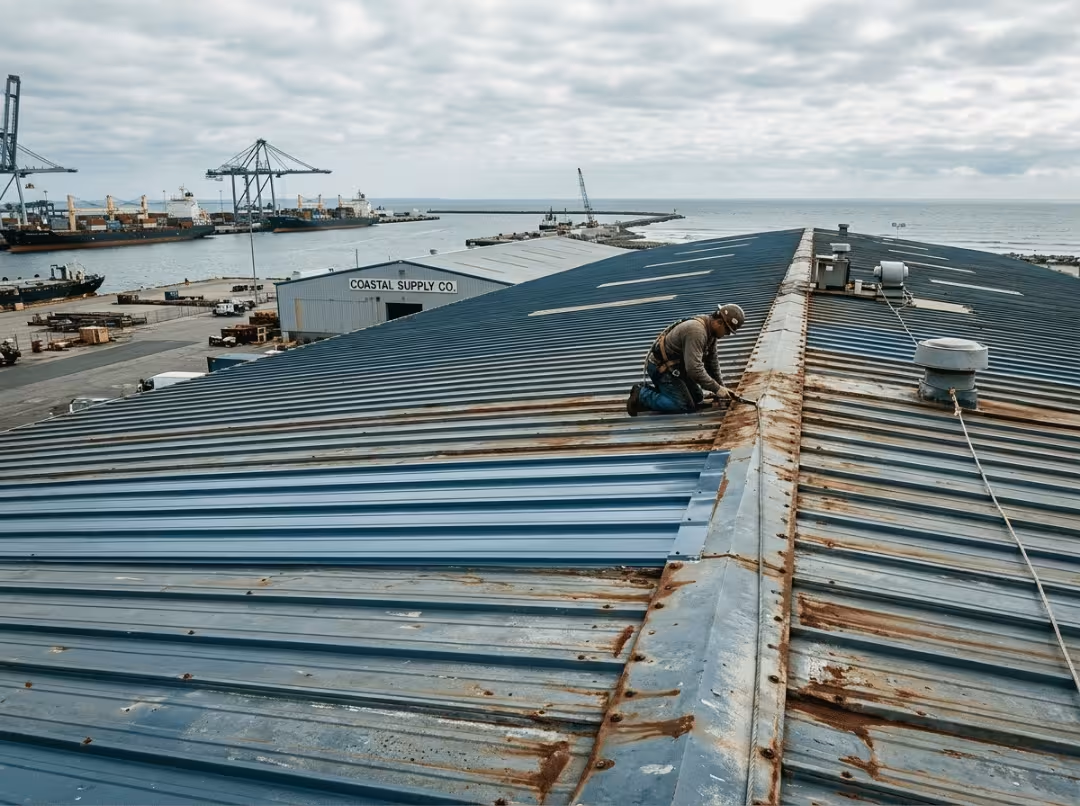
The verdict: for coastal, humid, or polluted sites, PPGL wins clearly. For dry inland projects with low salt exposure, PPGI still holds up well and saves money.
Cut-Edge Protection
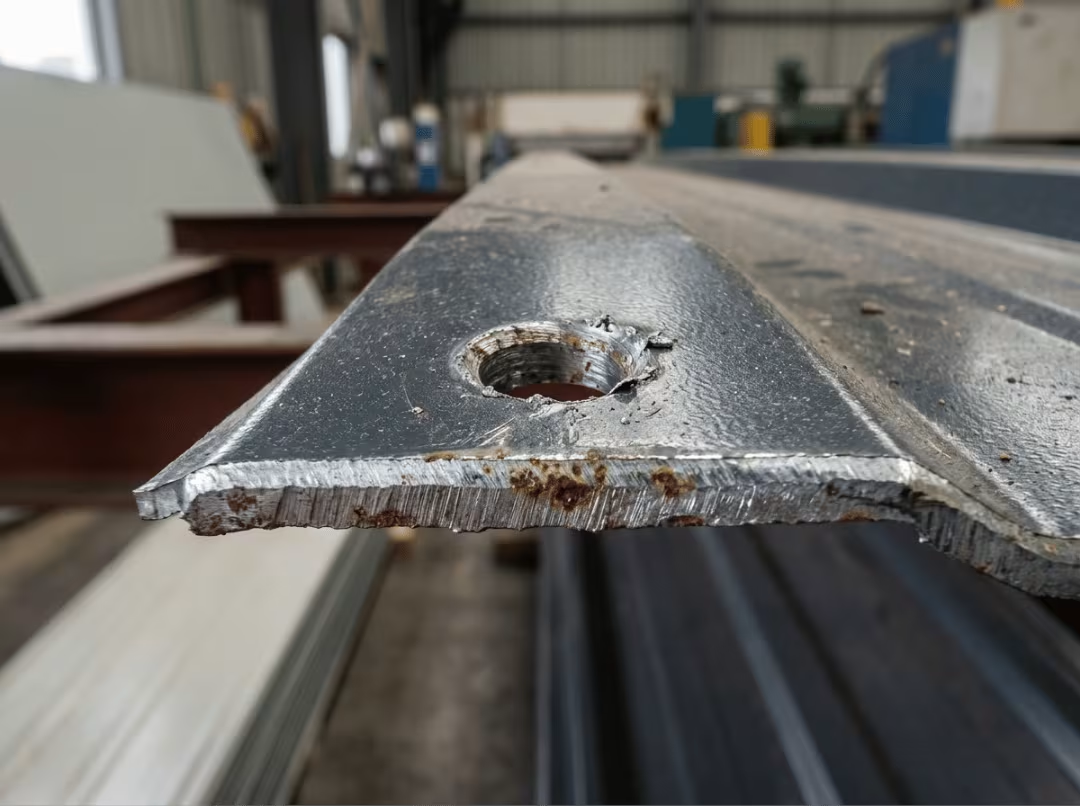
Every sheared end, drilled hole, and cut profile exposes bare steel. What happens there matters, and this is where the two products swap advantages.
Zinc is more electrochemically active, so at a cut edge it corrodes sacrificially and effectively “heals” the exposed steel in the short term. PPGI has a real edge here early in life.
The aluminum-rich PPGL coating is less active at edges, so it offers weaker sacrificial protection where the steel is cut. But it guards the flat surface far better over the long haul.
So the honest answer depends on your geometry. If your application has many exposed edges and short-term protection is critical, PPGI’s self-healing helps. If broad flat surfaces face the weather for decades, PPGL’s durability matters more.
Lifespan and Warranty Expectations
Realistic service life ranges look like this:
- PPGI: roughly 8 to 15 years in moderate conditions
- PPGL: roughly 15 to 30 years, depending heavily on environment
Those numbers move. Three variables shift them the most: local climate, coating weight (how much metallic coating per square meter), and paint film thickness. A heavier coating and a tougher paint system push lifespan toward the top of the range. A thin coating in a harsh climate drags it to the bottom.
Don’t take a supplier’s word for it. Ask for salt spray test data (hours to red rust) and outdoor exposure results. These practical tests reveal how a specific coil will actually behave, not just how the category performs on paper.
Two Quick Notes: Heat and Formability
Heat reflectivity: The aluminum in PPGL reflects more solar radiation, so panels run cooler. In hot climates, that means lower roof surface temperatures and reduced cooling loads. Paint color and finish still dominate thermal behavior, so a light-colored PPGI roof can outperform a dark PPGL one. Treat the coating as one factor, not the whole story.
Formability: Both coatings bend, roll-form, and stamp similarly. The paint system’s adhesion and flexibility matter more than the alloy during fabrication. Either product can crack at tight bends if the paint lacks flexibility, and thicker coatings suffer more on sharp radii regardless of the base metal.
Cost Comparison: What You Actually Pay
On a per-ton basis, expect PPGL to run 5% to 15% higher than comparable PPGI. The gap comes down to the aluminum-zinc alloy, which carries a premium over plain zinc. Coating weight compounds this on both products; heavier coatings cost more.
Installation cost is a wash. Roofs and panels from either product install the same way with the same labor, so factor in no difference there.
Here’s the insight that changes the math: total cost of ownership. Upfront price is only part of the picture. Divide the material cost by expected years of service and compare cost per year.
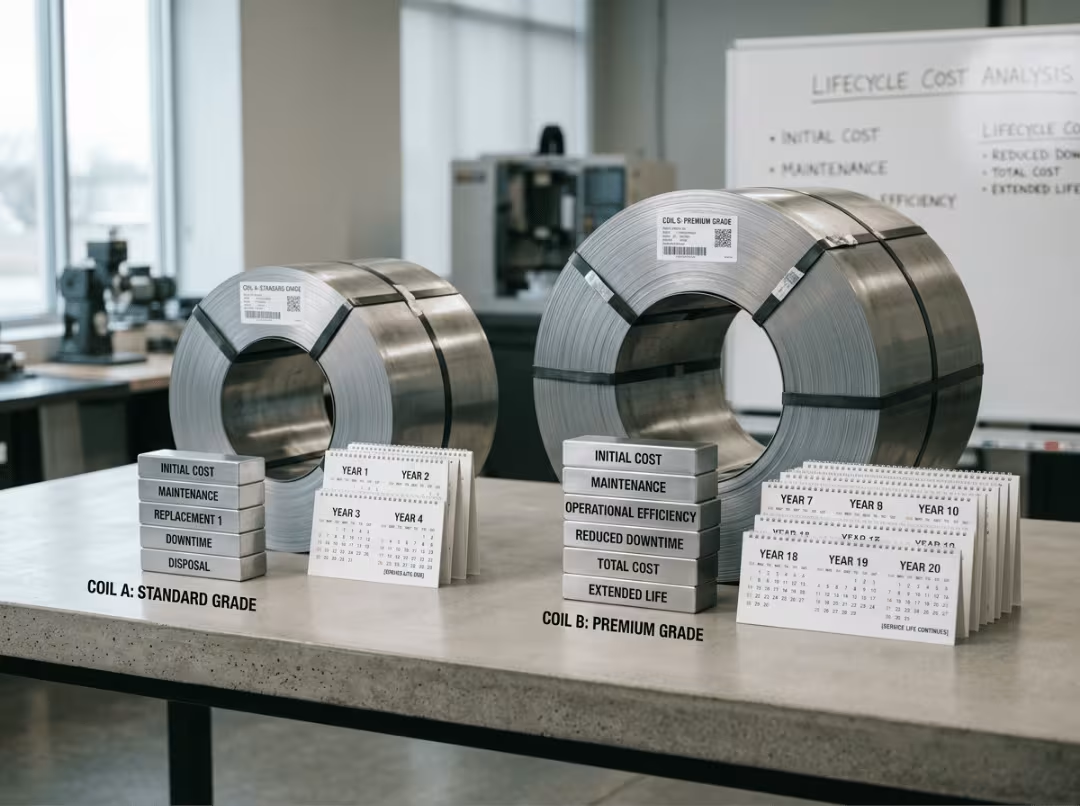
A PPGL roof that costs 12% more but lasts twice as long often wins decisively on a per-year cost basis. For a permanent building, paying more once beats paying twice. For a temporary structure with a 10-year horizon, that longevity premium is wasted money, and PPGI is the smarter buy.
2026 market factors to watch:
- Zinc and aluminum prices remain volatile, which shifts the PPGI-PPGL gap month to month.
- Import tariffs in several markets affect landed cost, sometimes more than the base metal price.
- Regional supply varies. In markets where PPGI is more readily stocked, shorter lead times and lower freight can tilt the total cost in its favor even when PPGL would perform better.
How to Choose: A Decision Framework
Don’t choose by habit or sticker price. Match the product to the situation.
- Coastal, humid, or industrial sites → PPGL. Salt, moisture, sulfur, and acid rain all chew through zinc faster. PPGL’s aluminum oxide layer is built for these conditions.
- Dry inland projects, interior panels, ceiling tiles, light structural parts → PPGI. Where corrosion pressure is low, PPGI delivers enough performance at a lower price. Paying for PPGL here rarely pays back.
- Permanent roofing and cladding, resale value, warranty-backed installs → PPGL. Longevity and heat reflection make it the stronger long-term asset.
- Agricultural buildings → depends on the animals. A dry storage barn can use PPGI. But structures housing livestock generate corrosive ammonia, and there PPGL adds a real safety margin.
- Short-term or temporary structures → PPGI. If a 10-year life is acceptable, don’t overspend on a 30-year coating.
- The budget-lifecycle rule: match spend to service life. Temporary or short-term = PPGI. Permanent or warranty-backed = PPGL. Run the cost-per-year number before you decide, not the cost-per-ton number.
Before You Order: Specs to Verify
The brand name on the coil tells you less than the numbers behind it. Confirm these on every order:
- Base steel grade
- Coating type (zinc for PPGI, zinc-aluminum for PPGL)
- Coating weight (grams per square meter, both sides)
- Paint system (polyester, silicone-modified polyester, PVDF, or HDP)
- Total paint film thickness
Then take three protective steps:
- Request mill test certificates for both the metallic coating and the paint film. A reputable mill provides these without hesitation.
- Test samples before full production. Salt spray results and bend tests reveal real-world behavior that a spec sheet can hide.
- Watch for lookalike products. Some sellers market inferior coils under names that echo Galvalume or Zincalume. Verify the actual coating composition, not just the marketing name.
Coating weight and paint thickness affect performance more than any brand label. A “premium” name on an underweight coating is a bad deal.
FAQ
What is the main difference between PPGI and PPGL?
The metallic coating beneath the paint. PPGI uses a zinc coating; PPGL uses a zinc-aluminum alloy (55% aluminum, 43.4% zinc, 1.6% silicon). The paint system on top is usually identical.
Is PPGL always better than PPGI?
No. PPGL resists corrosion longer and reflects more heat, but PPGI offers better short-term cut-edge protection and costs less. For dry inland or short-term projects, PPGI is often the smarter choice.
Which is cheaper, PPGI or PPGL?
PPGI is cheaper upfront, usually 5–15% less per ton. But over a building’s life, PPGL can cost less per year because it lasts longer.
Can I use PPGI for roofing in coastal areas?
It’s not recommended. Salt air accelerates zinc corrosion, so PPGI roofs near the coast fail years earlier than PPGL. If budget forces PPGI, expect a much shorter service life.
How long does PPGL last compared to PPGI?
PPGI typically lasts 8–15 years in moderate conditions; PPGL typically lasts 15–30 years, depending on climate, coating weight, and paint thickness.
Does the paint system matter more than the metallic coating?
For appearance, color retention, and formability, yes, the paint dominates. For long-term corrosion protection, the metallic coating is decisive. You need both specified correctly.
The Bottom Line
Choose based on environment, expected lifespan, and budget, not on habit or the lowest price per ton. PPGL wins on corrosion resistance and longevity; PPGI wins on upfront cost and short-term edge protection.
Your next step is simple and worth taking on any serious order: request samples from at least two suppliers, run a salt spray test on each, and calculate the annual cost for both products over your project’s expected life. Compare those numbers, verify the coating weight and paint film specs, and you’ll make a choice that holds up throughout the build’s life.
