




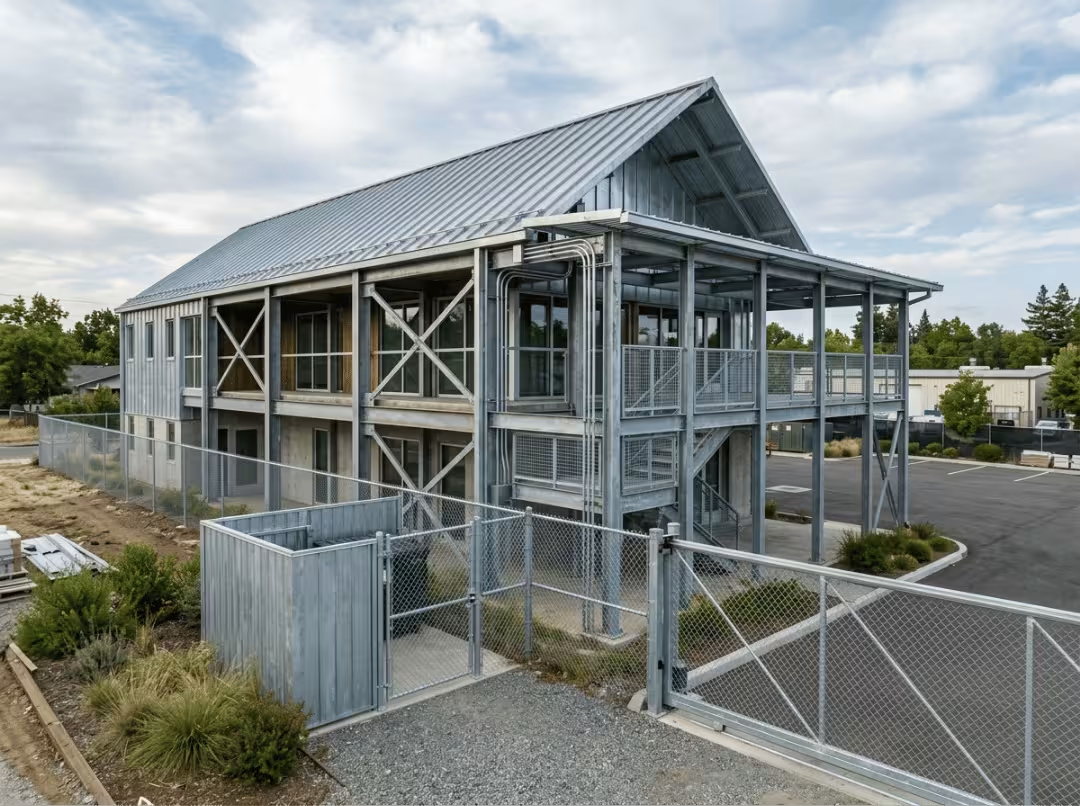
Before anyone buys galvanized fencing, roofing, or structural steel, they ask the same question: Will this rust? It’s a fair question. Galvanized steel costs more than plain steel, and buyers want proof that the extra money buys real protection.
Here’s the honest answer up front: galvanized steel does rust, eventually. But “eventually” can mean 50 years indoors or 15 years on a salty coast. The zinc coating isn’t magic, and it isn’t permanent. It’s a finite shield that buys you decades if you understand how it works and where it fails.
This guide skips the textbook tour. Instead, we’ll walk the path that actually matters to you: how the zinc protection works, when and why it breaks down, how long it really lasts in your environment, and what you can do to stretch that lifespan.
What Galvanized Steel Actually Is
Galvanized steel is carbon steel coated with a layer of zinc. That zinc bonds to the steel surface, forming the first line of defense against corrosion. Unlike paint, which simply sits on top, the zinc forms a metallurgical bond with the steel, so it won’t chip or peel the way a coat of paint does.
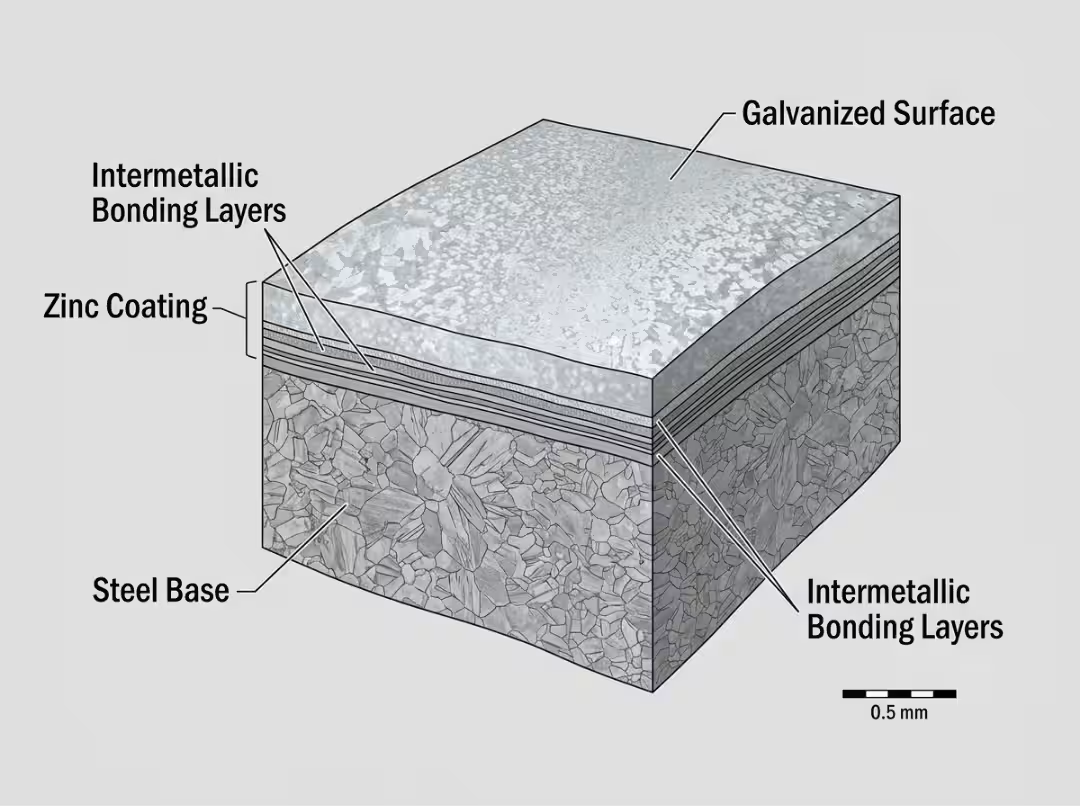
There are two common ways to apply that zinc, and the difference matters more than most buyers realize.
Hot-dip galvanizing cleans the steel in acid, applies a flux, then dips it into a bath of molten zinc at roughly 850°F. The result is a thick, tough coating, usually 3 to 8 mils of zinc, that withstands outdoor and structural use.
Electro-galvanizing deposits zinc using an electric current in a plating bath. It produces a thinner, smoother finish, typically just 0.1 to 0.5 mils, better suited to indoor parts and applications where appearance matters more than longevity.
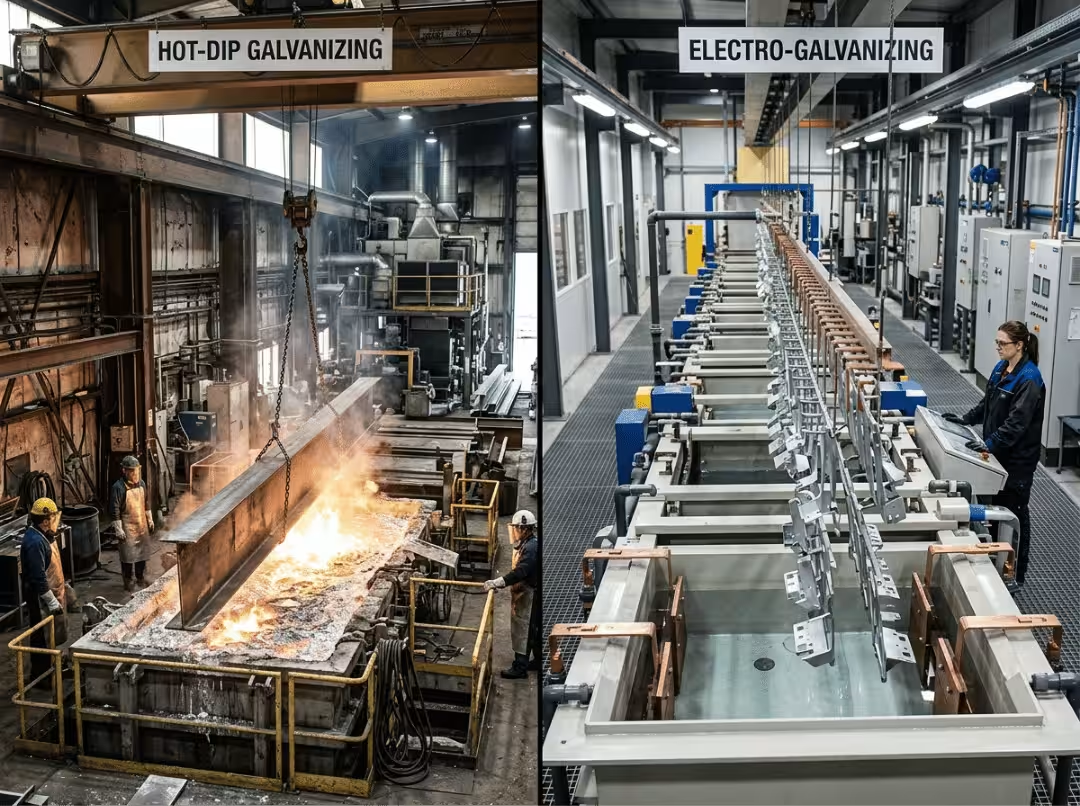
The practical takeaway: for anything outdoors or structural, hot-dip is the standard. Electro-galvanized steel simply doesn’t carry enough zinc to survive the weather for long.
How Zinc Protects Steel From Rust
Zinc doesn’t defend steel in one way. It uses three at once, and understanding them explains everything about when galvanized steel lasts and when it fails.
Barrier Protection
The most obvious job. The zinc layer physically seals the steel away from oxygen and moisture, the two ingredients rust needs. Zinc itself corrodes far more slowly than bare steel, so as long as the coating remains intact, the underlying steel stays safe.
Sacrificial (Cathodic) Protection
This is where galvanized steel pulls ahead of painted steel. Zinc is more chemically active than steel, so when both are exposed to moisture, zinc corrodes first. It sacrifices itself to protect the steel.
Picture a scratch that cuts through to bare metal. On painted steel, that scratch rusts almost immediately, and the rust creeps under the paint. On galvanized steel, the surrounding zinc “throws itself” onto the exposed steel, protecting it from corrosion. A small scratch heals itself, in effect, because the nearby zinc corrodes.
The Self-Healing Patina
Over time, zinc reacts with oxygen, water, and carbon dioxide in the air to form zinc carbonate, a stable, tightly bonded gray layer. This patina slows further corrosion considerably and actually protects the zinc beneath it.
This is why galvanized steel turns from bright and shiny to a dull gray over the years. That color change isn’t failure. It’s the coating maturing into its most protective state.
When Galvanized Steel Does Rust
The zinc shield is strong, but it has clear weak points. Knowing them helps you predict and prevent premature rust.
Cut Edges and Drilled Holes
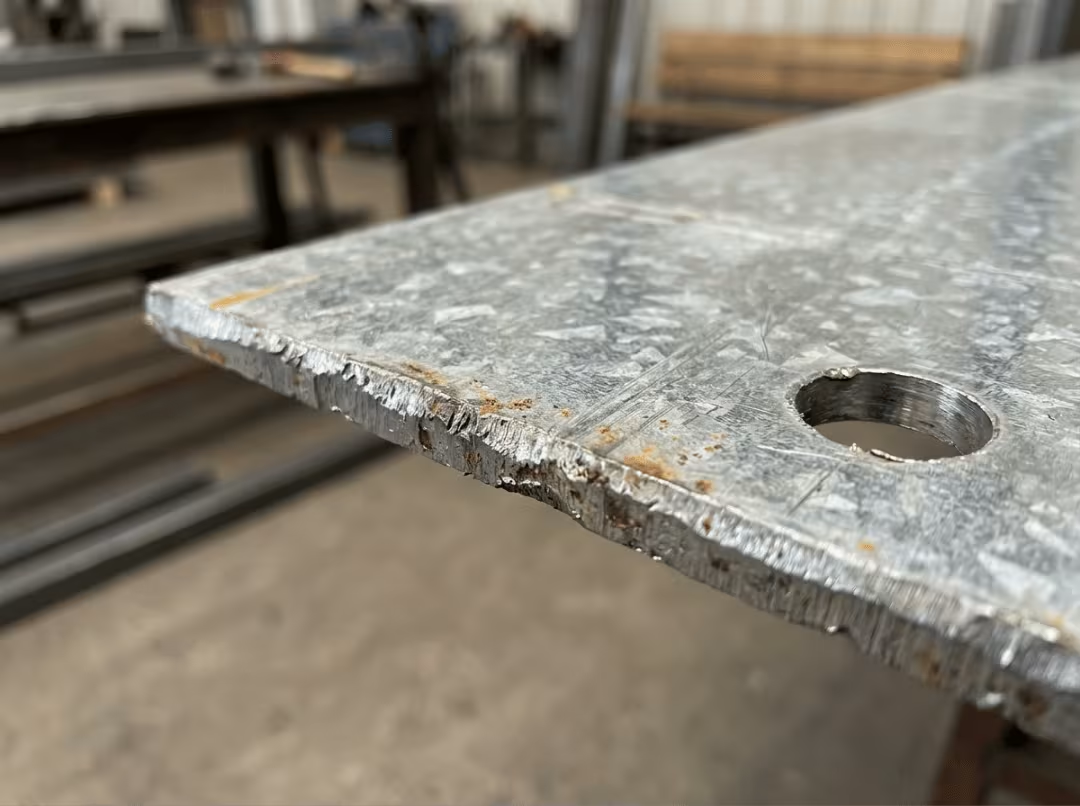
The moment you cut, shear, or drill galvanized steel, you expose bare steel at the cut face. That fresh edge has no zinc on it. Sacrificial protection covers small gaps, but a long cut edge or a cluster of drilled holes exposes more steel than the surrounding zinc can defend.
Picture roofing panels trimmed on site. Every cut end and screw hole becomes a potential rust point. At first the rust is cosmetic, but in wet conditions it spreads. The fix is simple: brush zinc-rich touch-up paint or cold galvanizing compound over every cut edge and drilled hole.
Deep Scratches and Abrasion
Light surface scratches are no problem, since sacrificial protection handles them. The danger is deep gouges from tools, equipment, or rough handling. Once a scratch penetrates the zinc layer and exposes a wide band of steel, cathodic protection can’t cover the entire area, and rust takes hold.
Coating thickness is the deciding factor here. A thick hot-dip coating tolerates far rougher treatment than a thin electro-galvanized one.
Acidic and Alkaline Environments
Zinc dissolves quickly in acidic conditions. Acid rain, animal manure, and certain industrial chemicals all attack the coating. Highly alkaline environments do the same, which surprises many buyers; fresh concrete and lime both eat zinc.
This matters most for buried or embedded steel. A galvanized fence post set directly in wet, acidic soil, or steel cast into fresh concrete, faces conditions that vary wildly by site. Soil pH and chemistry differ from one property to the next, so what lasts 40 years in one location may fail in 15 somewhere else.
Saltwater and Coastal Exposure
Chlorides are zinc’s worst enemy. Salt dramatically accelerates corrosion, especially in the splash zone where saltwater repeatedly wets and dries on the surface. A coastal warehouse roof will always have a shorter lifespan than the same roof built inland.
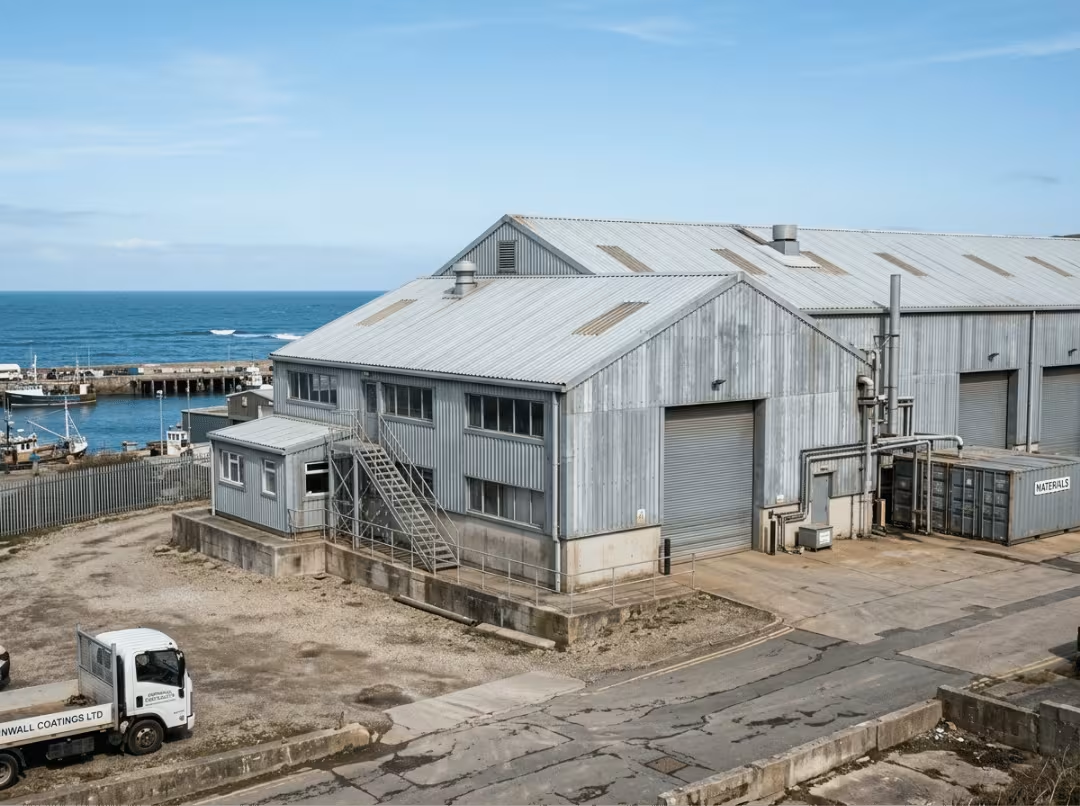
Here’s the part most people underestimate: airborne salt travels several miles inland. You don’t need to be on the beach to face salt-driven corrosion. If your project sits within a few miles of the ocean, treat it as a coastal application and plan for thicker coatings or an added paint system.
Contact With Dissimilar Metals
When galvanized steel comes into contact with copper, brass, or stainless steel in a wet environment, galvanic corrosion occurs. Because zinc is more active than those metals, it corrodes preferentially, and fast.
A common mistake: fastening galvanized panels with the wrong hardware, or running a galvanized pipe into a copper fitting. The practical rule is to separate dissimilar metals with insulating washers or rubber gaskets so the two metals never share a wet electrical path.
How Long Galvanized Steel Really Lasts
Lifespan comes down to two things: the environment and the coating thickness. Everything else is secondary. The table below shows realistic ranges to first maintenance, based on typical hot-dip coatings.
|
Environment |
Expected Time to First Rust |
Notes |
|---|---|---|
|
Dry indoor |
50+ years |
Minimal moisture, very low risk |
|
Rural outdoor |
35–50 years |
Light rain, low pollution |
|
Urban outdoor |
25–35 years |
Higher pollution and acid rain |
|
Coastal |
15–25 years |
Salt exposure shortens life |
|
Heavy industrial |
15–20 years |
Chemical fumes speed corrosion |
Treat these as estimates, not guarantees. Actual lifespan swings with coating thickness and maintenance. The American Galvanizers Association publishes detailed service-life charts that map coating thickness against environment, and they’re worth checking before you spec a project.
Coating Thickness Is the Dominant Factor
Zinc corrodes at a roughly steady rate in a given environment, so more zinc simply lasts longer, almost proportionally. Coating weight is often measured in ounces per square foot or mils of thickness.
This is exactly why hot-dip and electro-galvanized products behave so differently. Hot-dip delivers 3 to 8 mils of zinc. Electro-galvanizing provides only 0.1 to 0.5 mils of protection, a fraction of the protection. For aggressive environments, you can specify a heavier coating weight from the start, which is far cheaper than replacing a corroded structure later.
If you’re comparing coated steel options for a demanding site, it’s also worth weighing galvanized steel against aluminum-zinc-coated products like Galvalume, which trade some edge protection for stronger flat-surface durability in coastal and industrial environments.
How to Extend the Life of Galvanized Steel
A few habits can add years, sometimes doubling the service life in harsh conditions.
Touch Up Every Cut Edge and Damaged Spot
This is the single highest-value step, because cut edges are the most common source of premature rust. Keep a can of cold galvanizing spray or zinc-rich paint on the job. Coat every cut edge, drill hole, and weld area. Apply two coats and let each dry fully for the best adhesion. It takes minutes and prevents years of trouble.
Install It Right
- Keep galvanized steel off the ground and ensure good drainage, so it never sits in standing water.
- Avoid trapping moisture in tight crevices where two galvanized surfaces overlap, since trapped water accelerates corrosion.
- In coastal areas, use stainless steel fasteners for strength, but insulate them with the right washers to prevent galvanic corrosion between the stainless and the zinc.
Add a Topcoat for Severe Environments
Painting over galvanized steel with a duplex system is the most powerful upgrade for coastal or industrial sites. The zinc and the paint protect each other, and the combination can double service life compared to zinc alone.
Surface prep is the catch. The zinc must be properly cleaned and etched, or the paint will peel. Don’t skip this step; a poorly prepped duplex coating fails faster than plain galvanizing. For color-coated and prepainted steel products, the paint layer is applied under controlled factory conditions, resulting in more reliable adhesion than a field-applied coat.
Common Misconceptions About Galvanized Steel
“Galvanized Steel Never Rusts”
The most stubborn myth. Zinc protection is sacrificial and finite. Once the zinc is consumed or breached, the steel underneath rusts like any other steel. The realistic expectation isn’t permanent immunity; it’s decades of reliable service, if you match the product to the environment.
“Rust Means the Galvanizing Failed”
Not always. Fresh galvanized steel sometimes develops white rust, a powdery white zinc oxide that forms when new material sits in condensation or gets stacked wet without airflow. It looks alarming, but it’s a surface reaction of the zinc, not a failure of the steel beneath. Wipe it, dry the storage conditions, and it usually stops.
Red rust is the real warning sign. It means the zinc has been removed from that spot, and the steel is corroding, usually due to mechanical damage or heavy corrosion. Learn to tell the two apart: white is a cosmetic zinc reaction, red means the steel is exposed.
“All Galvanized Steel Is the Same”
Far from it. Hot-dip and electro-galvanized coatings differ dramatically in thickness and durability, and coating weight varies by specification even within hot-dip. A cheap galvanized product with a thin coating can fail years before a premium one. Always check the certification or spec sheet; the coating weight tells you far more than the word “galvanized” on the label.
Frequently Asked Questions
Does galvanized steel rust in water?
Eventually, yes. Zinc slows corrosion in water but doesn’t stop it. Constant immersion, especially in salt or acidic water, consumes the zinc faster than open-air exposure. For submerged use, plan on a heavy coating or added protection.
How long does galvanized steel last outside?
Roughly 35 to 50 years in rural areas, 25 to 35 in urban settings, and 15 to 25 near the coast. Coating thickness and maintenance affect those numbers.
Can you weld galvanized steel without damaging the coating?
Welding burns off the zinc around the weld, leaving bare steel and producing hazardous fumes. Weld in a ventilated area, and always re-coat the weld zone with cold galvanizing compound afterward.
Is galvanized steel safe for vegetable gardens?
Generally yes for raised beds. The zinc that leaches into soil is minimal at normal soil pH. Very acidic soil releases more zinc, so if that’s a concern, a food-safe liner between the steel and the soil is a simple precaution.
Does rust on galvanized steel spread as it does on plain steel?
Not the same way. Thanks to sacrificial protection, small rust spots stay contained far longer than on bare steel, where rust creeps aggressively. Over time, in wet conditions, it will spread if left untreated.
What is white rust on galvanized steel?
A powdery white zinc oxide that forms when new galvanized steel is exposed to moisture without airflow, often during storage. It’s a surface reaction of the zinc, not a failure. Keep new material dry and well-ventilated to prevent it from getting wet.
How do you tell if steel is galvanized or just painted?
Galvanized steel shows a distinctive crystalline “spangle” pattern or a uniform dull-gray zinc surface, and a magnet still sticks to it. Painted steel has a smooth, even color with no metallic texture, and the paint can chip, revealing bare steel or rust underneath.
The Bottom Line
Galvanized steel doesn’t rust immediately, but the zinc coating is a finite resource that corrodes over time. The protection is real and often lasts for decades, but only when the coating thickness, the environment, and the care all align.
Three takeaways will get you the full value from your investment:
- Spec hot-dip galvanizing for anything outdoors or structural. The thicker coating is the single biggest driver of lifespan.
- Treat cut edges and damaged spots promptly with cold galvanizing spray. It’s the cheapest insurance against the most common cause of early rust.
- Match the coating to the environment. Coastal and industrial sites need heavier coatings or a duplex paint system, not the standard spec you’d use inland.
Understand these factors, and galvanized steel stops being a gamble. It becomes exactly what buyers hope for: a durable, cost-effective material that earns back its premium over decades of service.
